.webp)


.webp)

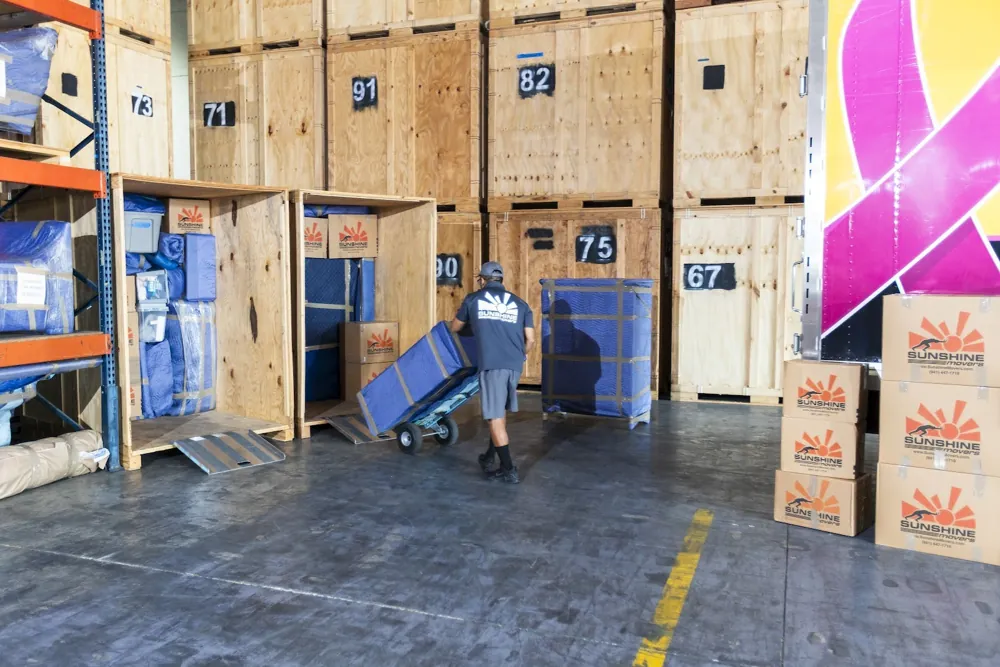
Relocation has a way of turning “temporary” into “longer than expected.” A closing gets pushed. A renovation runs late. A new build misses a milestone. A lease gap forces you into short-term housing. And in the middle of all those moving parts sits the same concern: how do you protect your furniture and household belongings while your timeline sorts itself out?
In Florida, that question is even more important. Heat and humidity aren’t just background weather conditions here—they can be active threats to stored items over time. Wood can swell and warp. Upholstery can hold moisture and develop musty odors. Leather can feel tacky and change texture. Documents can ripple. Electronics can be affected by moisture exposure. If you’re relocating within the Sarasota area or moving between Sarasota and Bradenton, climate controlled storage can be the difference between belongings that come back “just like they left” and belongings that come back with small changes you can’t ignore.
This guide explains what climate controlled storage is, how to know if you need it, which items benefit most, whether it’s worth the cost, and how the process works during a relocation. If you’re comparing climate controlled storage Sarasota or climate controlled storage Bradenton options, the goal is simple: make a storage decision that protects what matters and supports your moving timeline without extra stress.
Why Climate Control Matters More During a Relocation
Many people think storage is a straightforward pause. You put items somewhere, lock the door, and retrieve them later. In reality, storage during relocation is often unpredictable. You may plan on storage for two weeks and end up needing it for six. You may think you’ll deliver everything on one date and then learn the move-in date moved again. That uncertainty is what makes the environment so important.
A stable environment matters because many household belongings are made of materials that react to temperature and humidity. Furniture isn’t one solid substance; it’s wood, glue, fabric, foam, leather, metal hardware, and finishes layered together. When moisture levels fluctuate, wood expands and contracts, adhesives can weaken over time, and fabrics can hold moisture and odors. Heat accelerates these processes. It doesn’t mean your items will be damaged automatically, but it does mean risk increases with time, especially in warm, humid climates.
Relocation also increases handling. Items are moved out, transported, stored, and eventually moved again. The more time you spend in transition, the more important it is that the storage environment reduces risks that you can’t control day-to-day.
Climate controlled storage is designed to manage those risks by keeping conditions more stable and less humid than standard storage. It’s a protective tool that becomes especially valuable when your relocation timeline is uncertain.
What Is Climate Controlled Storage?
Climate controlled storage refers to storage space maintained within a more stable range of temperature, and often with better humidity management than a standard storage unit. The goal is to reduce extreme heat, reduce temperature swings, and limit moisture exposure that can affect stored items over time.
In a standard, non-climate-controlled environment, temperatures can rise significantly and humidity can fluctuate with weather patterns. In Florida, those fluctuations can be frequent, especially during rainy seasons and hot stretches. When warm, humid air meets cooler surfaces, condensation can occur. Even without visible condensation, prolonged humidity exposure can be absorbed by wood, fabrics, paper, and other materials.
Climate control helps reduce that cycle. It creates a more consistent environment that is kinder to furniture and sensitive household items. For relocation storage, the benefit is not just comfort; it’s preservation. It helps keep furniture functioning as it should, keeps fabrics and finishes more stable, and reduces the chance that items return with warping, odor, or moisture-related changes.
It’s also important to remember that climate control is part of a larger protection strategy. Preparation, professional handling, and how items are positioned and stored still matter. Climate control is most effective when it’s paired with proper wrapping, padding, and a storage process that minimizes repeated rehandling.
Do I Need Climate Controlled Storage During a Move?
The honest answer is: not everyone needs it for every item, but many households benefit from it more than they expect, especially in Florida. Whether you need climate control depends on what you’re storing, how long you’re storing it, and how much risk you’re willing to accept.
If your storage period is extremely short and your items are not particularly sensitive, you may be comfortable with standard storage. But relocation timelines often change, and that’s where climate control becomes the safer default. Many people choose climate control because they don’t want to gamble on how long “temporary” will last.
Climate control is also more important when you’re storing high-value furniture, sentimental items, items that are difficult to replace, or anything that reacts poorly to humidity. If you would be upset to discover a musty smell, sticky drawers, or a warped surface, climate control is often worth considering.
It’s also smart for families moving during life transitions, because the cost of a storage mistake can be higher than the cost of climate control. When you’re already paying for a move and managing scheduling stress, the last thing you want is to retrieve items and realize you now have an avoidable condition issue.
In Sarasota and Bradenton, climate controlled storage is often chosen by homeowners who are bridging closing gaps, waiting on new construction, renovating, downsizing, or moving into temporary housing. These are the exact scenarios where timelines stretch and environmental stability becomes a form of insurance against slow damage.
What Items Require Climate Controlled Storage?
“Require” can be a strong word, but certain items are clearly more vulnerable than others in Florida’s environment. Wood furniture is one of the most common categories that benefits from climate control, especially pieces with veneers, antique joints, delicate finishes, or higher-end construction. Humidity can contribute to swelling, warping, sticking drawers, and loosening joints over time.
Upholstered furniture and mattresses also benefit because fabrics and internal padding can trap humidity and develop musty odors or mildew risk in unstable environments. Leather furniture is another common candidate, since humidity can affect texture and contribute to odor and mildew concerns.
Paper-based items like books, documents, photos, and artwork are especially vulnerable. Paper absorbs moisture easily, which can cause rippling, sticking, spotting, and long-term deterioration. Artwork and framed pieces can also be affected by humidity through warping, adhesive issues, and backing damage.
Electronics and appliances may benefit from climate control as well. Moisture exposure can contribute to corrosion on connectors and internal components, and temperature swings can raise condensation risk. Even if the item appears fine at pickup, moisture-related issues can show up later as performance problems.
Rugs, linens, and certain collectibles can also be sensitive depending on the material. If you’re unsure whether an item needs climate control, the easiest test is emotional and financial. If you’d be frustrated to replace it or disappointed to see it changed after storage, climate control is usually the safer choice.
Is Climate Controlled Storage Worth It?
This is the question people ask when they’re comparing monthly costs and deciding what protection level makes sense. The best way to think about it is in terms of risk versus consequence. If you’re storing inexpensive items that are easy to replace, you may accept more risk. If you’re storing items that are valuable, sentimental, or difficult to replace, the consequence of damage rises. Climate control reduces the risk of slow, moisture-related change that can affect condition over time.
It’s also worth considering the hidden costs of storage mistakes. Replacing furniture or repairing warping is expensive. Removing musty odors from upholstery can be difficult and sometimes impossible. Restoring damaged documents or photographs often isn’t realistic. Electronics affected by corrosion may fail later. These issues can cost far more than the difference between standard storage and climate controlled storage.
Another factor is time uncertainty. Many people choose climate control not because they know they’ll store for months, but because they don’t know. When relocation timelines change, climate control becomes a cushion against the “it took longer than planned” scenario.
Finally, climate control can be worth it simply for peace of mind. Relocation is already demanding. Knowing that your belongings are in a more stable environment can reduce mental load and help you focus on the move itself rather than worrying about what’s happening behind the storage door.
How Does Climate Controlled Storage Work During a Relocation?
The process typically begins with planning your timeline and deciding what will go into storage versus what will be delivered immediately. If you’re moving into temporary housing, you may store the majority of your household items and keep only essentials with you. If you’re bridging a closing gap, you may store everything and schedule delivery when the home is ready. If you’re renovating, you may store furniture from specific rooms so work can be completed safely.
After planning, items are prepared for transport and storage. Protection matters because furniture is most vulnerable during handling. Proper padding and wrapping helps prevent scratches and dents while items are moved into the storage environment. Once items are placed into climate controlled storage, the goal is stability. You want items to remain protected and undisturbed until redelivery.
Delivery coordination is the final stage. Once your move-in date is confirmed, you schedule redelivery so your belongings arrive when the home is ready. In relocations where dates change, this is where flexibility becomes valuable. A storage plan should support changes without forcing you into rushed decisions or repeated rehandling.
It’s also helpful to think about climate control as part of a complete storage model. Stable conditions protect against environmental risks, while professional handling and controlled custody protect against handling risks. The strongest protection comes from combining both: fewer touches, stable conditions, and a clear plan from pickup to final delivery.
Common Misconceptions About Climate Controlled Storage
One misconception is that climate control is only necessary for very long-term storage. In Florida, risk can begin sooner than expected, especially for items that are sensitive and for timelines that stretch beyond the initial plan. Another misconception is that climate control alone prevents all issues. Climate helps significantly, but items should still be stored clean and dry, and they should be handled properly to avoid trapping moisture in fabrics or sealed containers.
Some people also assume climate control is only for expensive items. In reality, it can be valuable for sentimental items too—photographs, keepsakes, inherited furniture, children’s items, and family documents that can’t be replaced. Climate control is ultimately about preservation, not luxury.
Finally, many people underestimate how quickly relocation timelines change. Climate control is often chosen not because someone is sure they need it, but because they want to avoid regret if the timeline extends.
A More Protected Relocation Starts With a More Stable Storage Plan
Relocation is already full of unknowns. The one thing you can control is how you protect what you’re moving. In Florida, climate controlled storage is one of the most practical ways to reduce risk for furniture and sensitive household items, especially when your move includes a timing gap or an uncertain timeline.
If you’re comparing climate controlled storage Sarasota or climate controlled storage Bradenton options, focus on the outcome you want: belongings that return in the same condition they left, with fewer worries while you wait. Climate control helps create the stable environment your furniture and valuables need, and when paired with professional handling and a well-planned storage timeline, it can make your relocation feel calmer, more organized, and far less stressful.
Contact Sunshine Movers for your Storage Needs


