.webp)


.webp)

Moving would be a lot easier if life agreed to a single, perfect date. In reality, timelines shift constantly. A lease ends on the 31st, but the new apartment isn’t available until the 3rd. A closing is delayed. Renovations run long. A job start date changes. A new-build completion gets pushed again. When the calendar won’t cooperate, the problem usually isn’t the move itself—it’s what to do with everything you own in the meantime.
That’s exactly why people search for personal storage units, especially when they’re trying to keep a move flexible without losing control of their belongings. Whether you’re relocating within Sarasota, commuting between Sarasota and Bradenton for work or family, or juggling a multi-step transition, storage can become the buffer that turns a stressful gap into a manageable plan. The key is knowing how personal storage units work, how short term storage really plays out in real life, what “flexible access” means, which items belong in storage (and which don’t), and when it makes sense to involve professional movers to reduce damage risk.
This guide is designed for renters, families, and professionals who want a moving timeline that fits real life. It will walk through what personal storage units are, how to use them short-term, how access works, what to store safely, and how movers can help you avoid the most common storage mistakes during a move.
What Are Personal Storage Units?
Personal storage units are individual, rented spaces—usually at a self-storage facility—where you can place household belongings for short or long periods. Most people think of them as those roll-up-door units you can access with a gate code, or indoor units you reach through hallways and elevators. In markets like storage units Sarasota and storage Bradenton, you’ll see a wide range of options: small units for a few boxes, medium units for an apartment’s worth of belongings, and larger units that can fit full household furniture.
The appeal is straightforward. You rent the space, you control what goes in, and you can usually access it on your schedule. For people dealing with moving gaps, that sense of control can feel reassuring. But it also means the responsibility is largely yours. You’re typically managing the packing, the stacking, and the ongoing organization. If your storage period extends longer than expected, you’re also managing the reality of maintaining item condition over time—especially in Florida, where heat and humidity can affect furniture and sensitive items.
Personal storage units work best when you’re clear about what you need storage to accomplish. Are you bridging a move-in delay? Are you downsizing and need time to decide what stays? Are you staging your home and clearing space? Are you waiting on renovations? The “why” determines whether a unit is truly the best fit—or whether a professionally managed moving-and-storage approach would reduce effort and risk.
Why Storage Becomes the Secret Weapon for Moving Timelines
A moving timeline gap doesn’t always look dramatic on paper. Sometimes it’s only a few days. But even a small gap can create major stress if you don’t have a plan for your furniture, mattresses, boxes, and everything you need to live. Without storage, you’re often forced into compromises like keeping items in a hot garage, cramming everything into a temporary place, or doing a rushed “move twice” situation that adds cost and damage risk.
Short term storage can act like a pressure-release valve. It allows you to move out when you need to move out and move in when you can move in—without forcing your life to revolve around the calendar. It also helps you stay organized. When your belongings are in one controlled location instead of scattered across spare rooms and borrowed spaces, your transition feels less chaotic.
Another benefit is psychological. Moving already demands a lot of decisions. When the timeline is uncertain, those decisions multiply. Storage gives you a structured middle step so you’re not improvising daily. It’s easier to think clearly when your belongings are safe, contained, and accounted for.
Can I Use Short Term Storage During a Move?
Yes, and it’s one of the most common reasons people rent personal storage units. Short term storage is ideal when you know your move is happening in phases, even if the phases are close together. It’s especially common for renters whose lease dates don’t align perfectly, homeowners dealing with closing delays, and families navigating temporary housing between homes.
The important thing to understand is that “short term” often becomes “a little longer.” A closing that’s delayed by three days can become a delay of two weeks. A renovation that’s supposed to take a month can stretch into six weeks. A new-build that’s “almost ready” can remain “almost ready” for longer than anyone hoped. That’s why short term storage should be planned like it might last longer than expected. You don’t need to assume the worst, but you do want a storage setup that won’t punish you if timelines change.
If you’re using personal storage units for short term storage, prioritize a plan that reduces rehandling. Most damage happens during loading, unloading, and restacking, not while items sit still. The more you can treat storage as a stable pause rather than an ongoing shuffle, the better your results will be.
Is Access Flexible With Personal Storage Units?
Usually, yes—flexible access is one of the main reasons people choose personal storage units. Many facilities offer extended hours, and some offer 24/7 access depending on the location and policies. That flexibility can be helpful if you need to grab items quickly during a transition or if your schedule doesn’t match standard business hours.
But flexible access comes with a tradeoff that movers see all the time: repeated access often leads to repeated rearranging. One quick trip to “grab a few things” turns into shifting stacks, moving furniture out of the way, and unintentionally creating instability. Over time, that can increase the risk of damage and make the unit harder to manage.
If you expect to need frequent access, consider how you’ll organize the unit so it stays functional. Think of storage like a mini-warehouse: you want a system that keeps the items you might need closer to the front and the long-term items protected deeper inside. The goal is to avoid pulling half the unit apart each time you visit.
If your goal is the smoothest move possible, it’s also worth considering a different approach entirely. Some moving companies offer storage as part of a managed service, where items are picked up, stored in a controlled warehouse environment, and delivered when your home is ready. That model can feel less “flexible access” and more “flexible timeline,” which is often what people actually need during a move.
What Items Can Be Stored?
Most household belongings can be stored safely, but storage works best when you store the right things and keep the wrong things out. Furniture, boxed household goods, décor, clothing, kitchen items, and many personal belongings are common. People also store seasonal items, extra beds, patio furniture (properly cleaned and dried), and the overflow that won’t fit in a temporary living situation.
What you store should also reflect your timeline. If you’re in a transition, it helps to separate “need soon” items from “need later” items before storage begins. In practical terms, that means keeping a set of essentials with you: important documents, medications, daily clothing, basic kitchen items, chargers, kids’ needs, and comfort items you don’t want buried.
Florida conditions matter here, too. Wood furniture, leather, upholstery, artwork, documents, photos, and electronics can be more sensitive to heat and humidity. If you’re storing these items and you don’t know exactly how long it will be, climate controlled storage becomes worth considering. Climate control isn’t just a luxury feature in Florida. It’s often a protection strategy that helps reduce the risk of musty odors, warping, swelling, and moisture-related issues over time.
Certain things generally don’t belong in storage regardless of the facility. Perishable food and anything that can spoil is a no. Plants are a no. Anything that can leak, attract pests, or create odors is a bad idea. Hazardous or flammable items may also be prohibited. The safest move is to treat storage like a clean environment and only store items that won’t create contamination risks.
The Biggest Problem With “Move → Unit → Move Again”
When people use personal storage units during a move, the most common hidden cost is double-handling. You move everything out, unload into the unit, then later load everything again for the final move. That creates more opportunities for damage, more labor, and more stress—especially if the unit involves ramps, elevators, long hallways, or tight turns.
This is where many families realize they didn’t actually want “a unit.” They wanted a plan that fits their timeline. A storage unit is one way to bridge a gap, but it often forces you into additional physical steps.
If you’re storing large furniture, delicate finishes, or high-value pieces, reducing touchpoints becomes a major win. Fewer touches generally means less risk and a faster process. That’s why professionally managed storage—where a moving company maintains custody from pickup through storage and final delivery—can feel like a smoother alternative to self-managed personal storage units. It removes the middle DIY step that creates so many problems.
Do Movers Assist With Storage?
Yes, movers can assist with storage in a few different ways, and the model you choose will shape your experience.
In one approach, movers can help transport your belongings into personal storage units that you rent. This can be helpful if you want the unit model but don’t want to do the heavy lifting yourself. The key is to recognize that if you’re still using a self-storage unit, you may still face the same double-handling reality later when it’s time to move out of the unit and into your home.
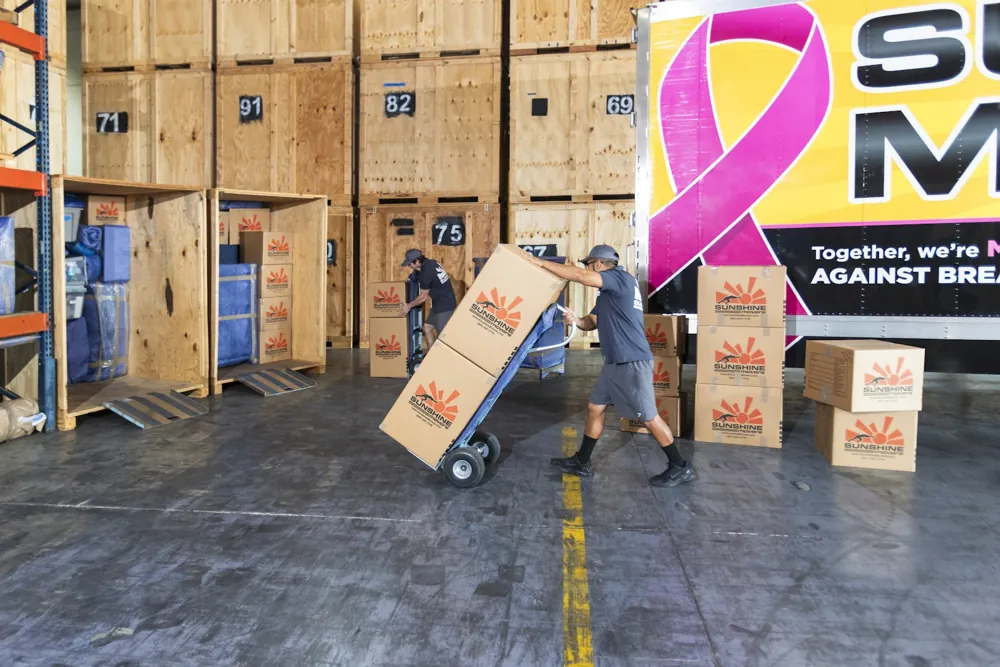
In another approach, movers can provide integrated moving and storage, where storage is handled as part of the move. Your items are picked up, stored in a secure warehouse environment with controlled access, and delivered when your timeline is ready. This is especially helpful for families dealing with closing delays, renters navigating lease gaps, and professionals with unpredictable schedules. It reduces handoffs, reduces unnecessary trips, and keeps accountability clearer from start to finish.
If you’re in Sarasota or moving between Sarasota and Bradenton, it’s worth thinking about what you want storage to do. If you want frequent self-access, personal storage units might be the right fit. If you want fewer steps, less handling risk, and a smoother timeline, a managed moving-and-storage approach may match your needs better.
How to Make Storage Feel Organized Instead of Overwhelming
The most successful moving transitions treat storage as a system, not a pile. Organization begins before anything is loaded. When people wait until everything is already packed and stress is high, they tend to store in whatever order happens fastest. That’s how items get buried, boxes become unfindable, and the unit becomes a frustration zone.
A smoother approach starts with categories. Your essentials stay with you. Your “need soon” items are separated from your long-term items. Your fragile or sensitive items are prepared with protection in mind. Your furniture is positioned in a way that avoids pressure damage. When you do that, storage becomes a calm holding space, not a chaotic overflow.
This is also where professional help can be worth it. Movers who handle storage regularly understand how items shift, what gets damaged, and why certain layouts fail. Whether you’re using personal storage units or a managed storage model, professional handling and proper protection can save you from the most common mistakes people make under time pressure.
Florida Timelines Change, So Your Storage Plan Should Flex
One of the biggest reasons people search for short-term storage is that they want control over time. But the reality in Florida is that timelines can shift. Closings delay. Renovations expand. New builds move slower than expected. Even the best planning can’t eliminate those factors, but the right storage plan can remove the panic.
A flexible storage plan means you can extend storage without scrambling. It means your belongings remain protected without repeated reshuffling. It means delivery can be coordinated when your home is ready instead of forcing you to guess the future. Whether you choose personal storage units or a managed warehouse model, flexibility should be one of your non-negotiables.
If you’re exploring storage units Sarasota or storage Bradenton options, keep the focus on what you’re actually trying to solve. The best storage solution is the one that makes your moving timeline easier—not the one that adds steps you didn’t expect.
Storage Should Support Your Move, Not Complicate It
A moving timeline gap is frustrating, but it doesn’t have to derail your relocation. Personal storage units can be a useful tool for flexibility, especially when you need self-access and a place to keep belongings temporarily. Short term storage can help you bridge the gap between leases, closings, renovations, or new construction—without forcing you to rush decisions or crowd a temporary space.
At the same time, it’s worth being honest about what makes moves harder: extra handling and extra steps. If your storage plan turns one move into two, it can increase both cost and damage risk. For many families and professionals, the smoothest path is the one that reduces touchpoints and keeps the transition controlled, whether that means careful organization in personal storage units or choosing a moving-and-storage approach that’s managed end-to-end.
If your dates are uncertain and you want a storage plan that fits around your schedule, the best next step is to define what you need most—self-access, simplicity, protection, or all of the above. From there, you can choose a storage strategy that makes your move feel calmer, more organized, and far more flexible.
Contact Sunshine Movers for your Storage Needs


