.webp)


.webp)

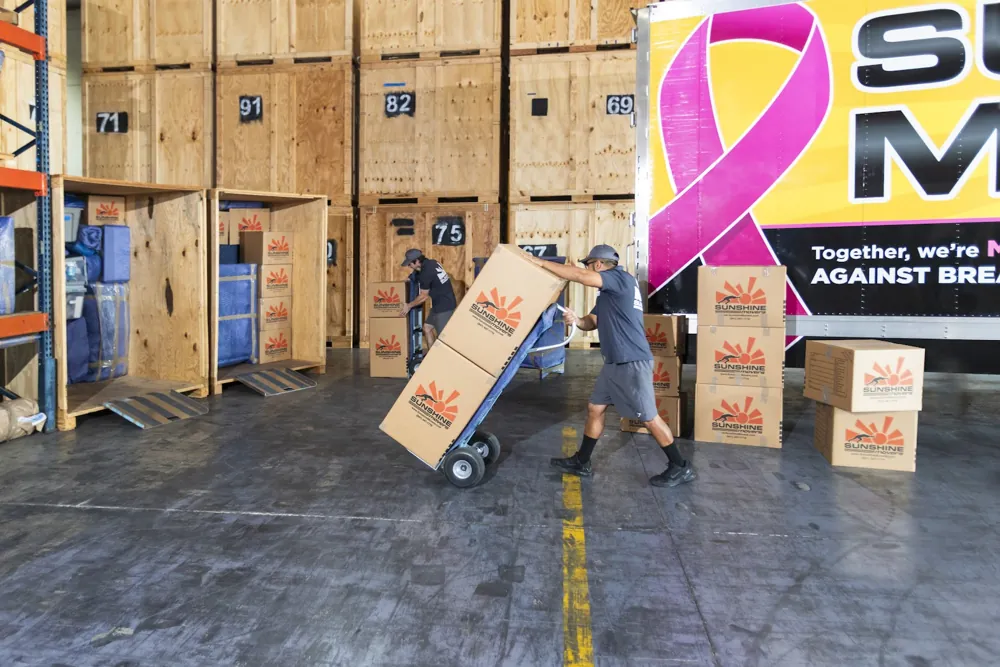
Climate controlled storage is often associated with household moves and personal belongings, but for businesses it can be a critical part of protecting inventory and equipment. Standard storage environments can experience wide swings in temperature and humidity, especially in Florida. Over time, those conditions quietly degrade products, packaging, and sensitive gear. Climate controlled storage keeps conditions within a narrower, more stable range, giving commercial assets a safer environment in which to wait between production, distribution, and use.
For warehouses, retailers, manufacturers, and service providers, this is not just a matter of comfort; it is a matter of quality and risk. When products arrive at a customer’s hands warped, faded, corroded, or malfunctioning due to poor storage conditions, the brand pays the price. Climate controlled storage is a way for businesses in Sarasota and Bradenton to shield inventory and equipment from the harsh realities of heat and humidity, and to maintain consistent standards as they grow.
Climate controlled storage gives businesses a stable temperature and humidity environment for inventory and equipment, helping prevent warping, corrosion, and malfunction so products and gear stay closer to ‘as designed’ quality over time.
Do Businesses Really Need Climate Controlled Storage?
Not every business needs climate controlled storage, but many benefit from it more than they realize. Companies that store sensitive materials, finished goods awaiting sale, or equipment between uses are all at risk when conditions are extreme. In Florida, where heat and humidity can be high for much of the year, climate controlled storage sarasota fl and climate controlled storage bradenton fl options help businesses avoid slow, cumulative damage.
If your inventory includes items that can warp, melt, swell, rust, mold, or lose calibration, climate control becomes a practical safeguard rather than a luxury. Businesses that store assets for extended periods—such as seasonal stock, backup equipment, or project materials—are especially vulnerable in standard units. The longer items sit, the more time heat and moisture have to cause changes. Climate controlled storage gives those assets a better chance to remain stable and usable when you need them.
What Types of Inventory and Equipment Require Climate Control?
Climate controlled storage is particularly important for materials and products sensitive to temperature or moisture. This includes electronics such as computers, servers, audio equipment, and medical devices, which can suffer from condensation, corrosion, or component fatigue when stored in harsh conditions. It also includes items with adhesives, finishes, or coatings—such as certain packaging, signage, and fixtures—that can peel, bubble, or crack when exposed to heat and humidity.
Wood and fabric products are another major category. Furniture, casegoods, textiles, and upholstered items can warp, split, or grow mildew in uncontrolled environments. Paper goods and printed materials, like marketing collateral, documents, and books, may yellow, ripple, or fuse together when exposed to moisture. Food‑related products, cosmetics, and certain chemicals often have specific storage requirements that climate control helps support. If your inventory list contains any items you would hesitate to store in a hot garage or damp basement, those are strong candidates for climate controlled storage.
Short-Term vs Long-Term Climate Storage for Businesses
Businesses can use climate controlled storage in both short-term and long-term scenarios. Short-term use is common during transitions: a warehouse upgrade, a relocation, a large project, or a seasonal spike in inventory. In these cases, climate storage acts as a temporary buffer, ensuring that items remain stable while the business reorganizes or expands capacity. Even over a few weeks or months, climate control can prevent damage that might otherwise occur during a busy, chaotic period.
Long-term climate storage is valuable when companies hold inventory or equipment for extended periods or on a recurring basis. Examples include backup hardware, spare parts, seasonal lines, replacement hotel furniture, archival materials, and project staging for multi-phase rollouts. In these scenarios, the storage environment becomes part of the product lifecycle. Climate control helps preserve functionality and appearance, so items pulled out months or years later are still fit for use. The decision between short- and long-term use depends on how often your assets cycle and how critical their condition is to your business.
How Climate Control Improves Durability and Performance
Improved durability is one of the strongest arguments for climate controlled storage. Many materials respond poorly to rapid or extreme changes in temperature and humidity. Wood expands and contracts, which can loosen joints and cause warping or cracking. Metals can corrode more quickly in humid environments, especially when combined with heat. Plastics and rubber may become brittle or sticky. Adhesives and finishes can soften or fail. Over time, these small changes add up, shortening the practical life of inventory and equipment.
By keeping conditions stable, climate controlled storage slows these processes. Products stay closer to their designed state, equipment components experience less thermal stress, and finishes remain intact longer. This means fewer returns, fewer repairs, and fewer surprises when assets are needed. For equipment that must perform reliably—such as medical devices, precision tools, or IT gear—climate control can be the difference between ready-to-use and unexpectedly faulty. For inventory that must look pristine, it helps ensure that what you ship matches what you promised.
Is Climate Controlled Storage Cost Effective for Businesses?
Cost effectiveness depends on what you are storing and the financial impact of damage or degradation. Climate controlled storage typically costs more than standard storage, but the additional expense can be small compared to the cost of wasted inventory, emergency replacements, lost productivity, or disappointed customers. If a single shipment of sensitive products or a key piece of equipment is ruined by poor storage conditions, the financial and reputational damage may far exceed the monthly premium for climate control.
To judge cost effectiveness, consider the value and vulnerability of your assets. High-value items, products with tight quality tolerances, and equipment critical to operations often justify climate control on their own. Lower-value items that are easy to replace may not. Also factor in your timeline. The longer items will be stored, the greater the cumulative risk in standard environments. Many businesses find that climate controlled storage becomes more cost effective as they store more items or store them for longer periods, and as they place greater emphasis on consistent quality.
Integrating Climate Storage Into Business Operations
Climate controlled storage delivers the most value when it is integrated into your overall operations rather than used ad hoc. Start by identifying which segments of your inventory and equipment are sensitive and mapping where they sit today. If they are currently stacked in regular units, back rooms, or non‑climate areas of a warehouse, consider moving them into climate controlled zones.
Next, align your logistics. Decide which shipments go directly into climate storage, how they are labeled, and how they will be rotated or pulled for use. For equipment, determine whether climate storage is the default resting place during downtime. Over time, climate zones can become part of your standard operating procedures, with clear rules about what belongs there and how it moves in and out. The goal is to make climate control a routine element of asset management, not an occasional afterthought.
Bringing Climate Controlled Storage Into Your Commercial Strategy
Climate controlled storage is more than a comfort feature—it is a strategic tool for businesses that want to protect inventory and equipment from environmental damage. By using climate control where it matters most, companies in Sarasota and Bradenton can preserve product quality, extend the life of sensitive gear, and reduce the hidden costs of heat and humidity.
When climate storage is woven into your commercial strategy, storage becomes a partner in delivering consistent results. Inventory and equipment move through controlled environments, stay ready for use, and support growth without unexpected degradation. For businesses that rely on reliability and reputation, climate controlled storage offers a practical, cost-conscious way to keep assets performing the way they were designed—no matter how long they need to wait before their next job.


