.webp)


.webp)

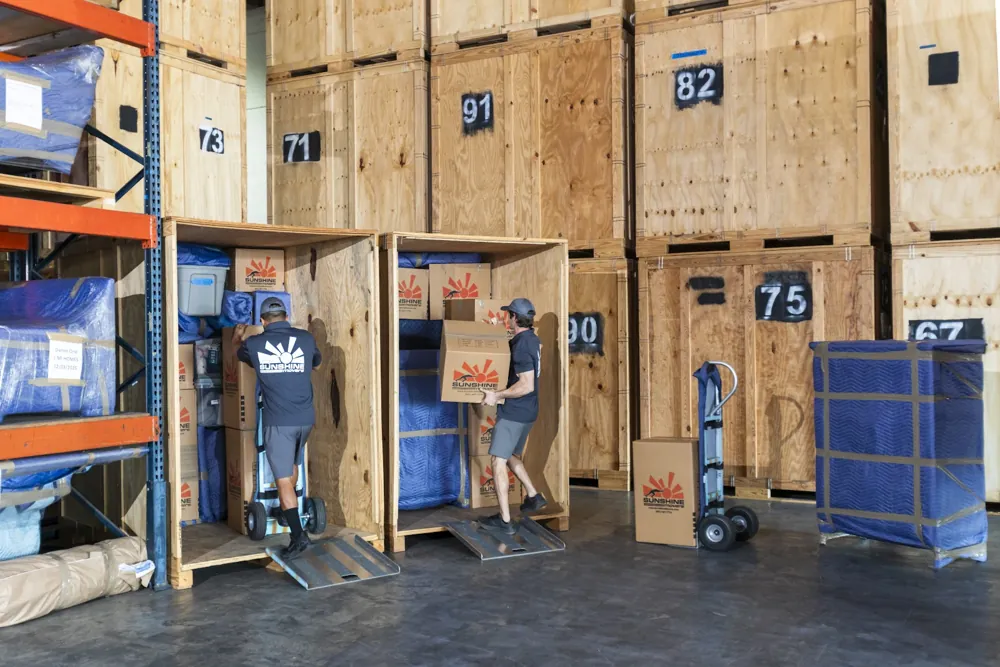
A household move is rarely just about getting boxes from point A to point B. It is about coordinating schedules, managing belongings, keeping track of paperwork, and making sure your family can function before, during, and after moving day. Household storage gives you a powerful way to bring structure to that chaos. Instead of living in a maze of boxes or rushing to make everything fit in your new home immediately, you can use storage to phase your move, simplify each step, and keep everything organised from start to finish.
When storage is built into the moving plan, you gain breathing room. Items you do not need right away can be packed, labelled, and placed into personal storage units or a managed warehouse so they are out of the way but still accessible. Essentials stay with you, while non-essentials are safely stored until you are ready. This approach turns your move into a sequence of manageable stages instead of one overwhelming push, making it easier to stay organised and maintain some sense of normal life in the middle of a big transition.
Household storage during a move helps you stay organised by separating everyday essentials from non‑essential belongings, using labelled, inventoried storage so each stage of your move is easier to manage and less stressful.
How Storage Supports an Organised Move
Storage helps during a move by acting as a pressure valve for both space and time. As you start packing weeks in advance, you quickly realise that some items are simply in the way: off-season clothing, holiday decorations, spare furniture, sports gear, and décor you do not need for daily living. With household storage, those items can be packed, clearly labelled, and taken off-site early. This clears your home, making it easier to clean, stage for sale, or simply move around without tripping over boxes.
The same principle applies at your destination. When everything arrives at once, it is easy for your new home to feel cluttered and disorganised. If storage is part of the plan, you can move in stages. Core furniture, kitchen items, and everyday necessities come in first so you can set up sleeping areas, bathrooms, and a functional kitchen. The rest can remain in storage units until you are ready to place them thoughtfully. That reduces the urge to shove items into closets “just for now” and then forget about them, leaving you with a more organised and intentional setup in your new home.
What Items Typically Go Into Household Storage?
Not everything belongs in storage during a move, so it helps to think in categories. The first category is seasonal items. This includes holiday decorations, seasonal clothing, patio furniture, beach gear, and hobby equipment that you know you will not need during the immediate moving period. These items can be packed early and stored safely, reducing visual clutter and freeing up space in your current home.
The second category is surplus furniture and duplicate items. Maybe you have extra chairs, side tables, or bookshelves that you are not sure will fit into your new space. Instead of forcing them into your floor plan on day one or getting rid of pieces you might regret losing, you can place them in personal storage units for a while. That gives you time to live in the new home, measure rooms, and make thoughtful decisions about what to keep, donate, or sell. A third category includes sentimental or archival items like photo albums, keepsakes, and rarely accessed documents. These can be carefully packed and stored so they are protected but not underfoot during the busiest phases of your move.
Short-Term vs. Longer-Term Storage During a Move
Most household storage during a move is short-term, lasting from a few weeks to a few months while you transition between homes. This is especially helpful when closing dates do not perfectly align, when you are doing minor renovations in the new place, or when you are moving long-distance and want to receive items in stages. Short-term storage lets you bridge those gaps without cramming everything into temporary housing or making rushed decisions about what to keep.
However, storage can also become part of a longer-term strategy if your situation calls for it. Perhaps you are downsizing but not ready to part with certain pieces of furniture, or you are planning future renovations and want to hold onto materials or fixtures until the time is right. In those cases, household storage and moving and storage services give you the flexibility to keep belongings in a secure location beyond the immediate move. The key is that you are in control. You can treat storage as a brief holding area or as a semi-permanent extension of your home, depending on your needs.
Accessing Your Items While They Are in Storage
One common concern is whether you will be able to access items once they are placed in storage. The answer depends on the type of storage you choose. With traditional personal storage units, you typically have your own lock and can visit the facility during access hours to retrieve or add items as needed. This is ideal if you want to store some items early but still expect to dip into those boxes for seasonal clothing, small appliances, or paperwork before the move is complete.
If you are using a managed moving and storage service, access is usually available but may require scheduling. In that scenario, your belongings are stored in a warehouse environment and organised by inventory. You can request specific items or categories to be pulled and delivered, or you can arrange to visit your storage by appointment. The advantage of this model is that it tends to be more structured and organised, with professional oversight and better protection. In either case, the right labelling and packing from the beginning make access much easier. When you can quickly identify which box holds winter coats and which holds tax records, you can retrieve exactly what you need without sorting through everything.
How Household Storage Stays Organised from Start to Finish
The real power of household storage comes from the structure you build into it. Organisation begins before anything leaves your home. Each box and item should be packed with a category and destination in mind rather than a random mix of belongings. Labelling by room and type of item—such as “Kitchen: Baking Supplies for Storage” or “Living Room: Décor for Storage”—makes it clear what belongs where and how soon you will need it. Taking photos of the contents or keeping a simple written inventory adds an extra layer of clarity.
Once in storage, that structure continues. In personal storage units, you can arrange items so that the things you might need soon are closest to the front and clearly visible. Heavier items go on the bottom, fragile boxes on top, and walkways are left so you can step inside and retrieve items without having to unload everything. In a managed moving and storage setup, the provider uses inventory systems to track what you have and where it is located. This level of organisation gives you confidence that your belongings are not just stored, but stored in a way that you can understand and manage. When it is time to move everything into your new home, that same structure makes unpacking faster and far less stressful.
Household Storage in Sarasota: Local Considerations
For families using storage units in a place like Sarasota, local conditions add extra reasons to be organised. Heat and humidity can affect certain items, so it is often wise to choose climate-controlled storage units sarasota fl residents trust for sensitive belongings like electronics, wooden furniture, artwork, and important papers. Planning what goes into storage and how it is packed will help protect those items over time, especially if they will be stored during the summer months.
Local lifestyle also plays a role. Many households in coastal communities have extra gear such as kayaks, beach equipment, outdoor furniture, and bicycles. These items are perfect candidates for household storage during a move. You may not need them immediately as you settle in, but you will want them in good condition once you are ready to enjoy your new surroundings. Using storage strategically allows you to move into your new home without clutter while still keeping the Florida lifestyle close at hand when the time is right.
Bringing Household Storage Into Your Moving Plan
Household storage is not just an add-on to your move; it is a core organising tool that can transform a stressful experience into a structured, manageable process. By deciding early what to store, how to pack it, and where it will be held, you create a clear roadmap for your belongings from the day you start packing to the moment you are fully settled in your new home. Storage gives you room to breathe, reduces clutter at both ends of the move, and helps protect the items that matter most.
Whether you are relocating across town or coming into Sarasota from out of state, integrating storage into your moving strategy keeps you in control. Instead of reacting to deadlines and piles of boxes, you can move through each phase with intention, knowing that your household storage plan is supporting you behind the scenes from start to finish.


