.webp)


.webp)

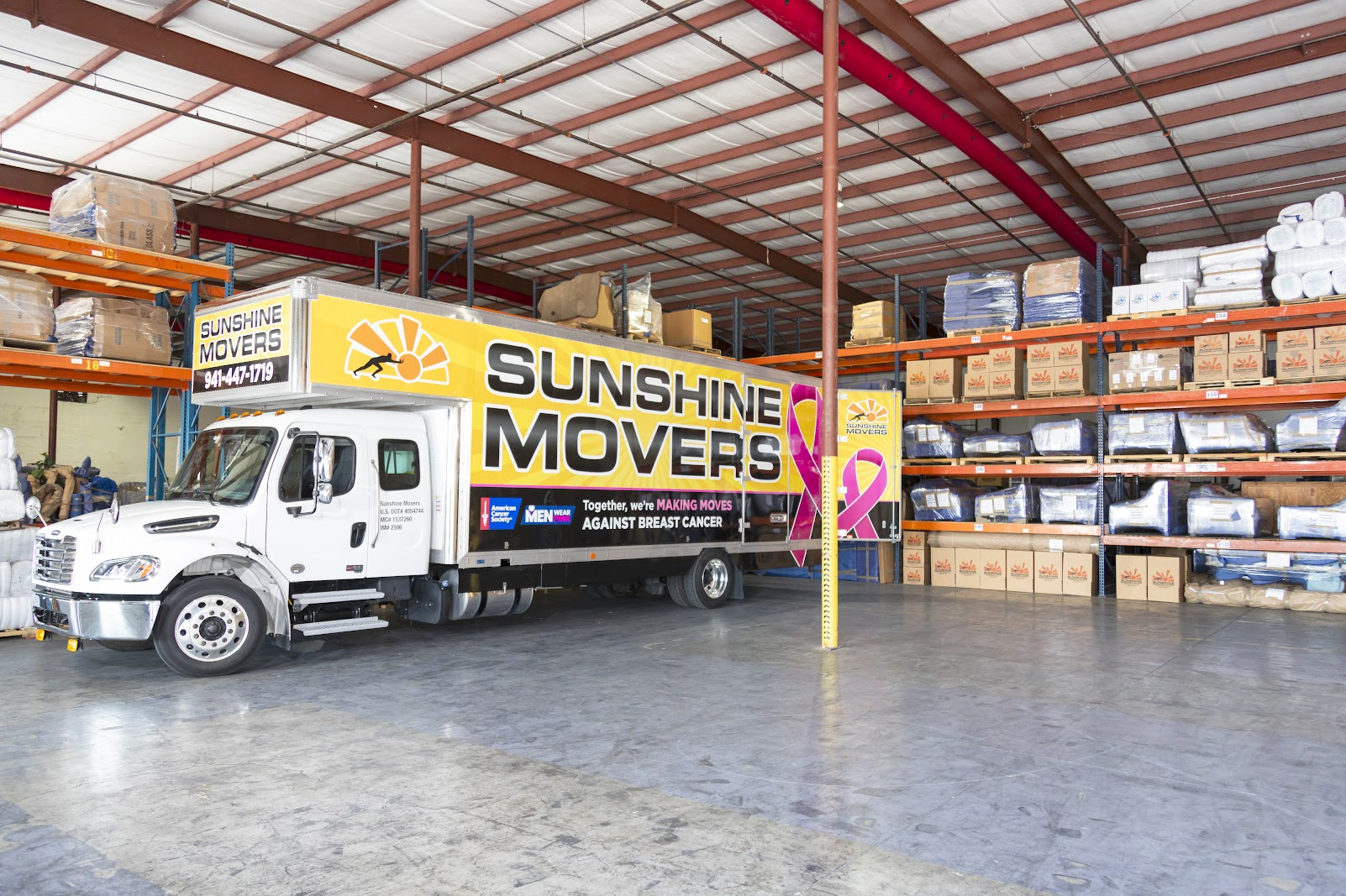
The toughest part of a transition is usually the middle. You’re out of one space, but you’re not ready for the next one. A closing gets delayed. Renovations expand. A new build misses an inspection date. A commercial project falls behind schedule. And suddenly you’re staring at a very real problem: where does the furniture go now, and how do you keep it safe while you wait?
This is exactly why so many homeowners and businesses compare options like storage warehouse Sarasota or secure storage Bradenton. People aren’t just looking for square footage. They’re looking for confidence. They want to know their furniture won’t be exposed to unknown access, unnecessary handling, or a chaotic storage environment while timelines shift. They want a storage solution that feels controlled, professional, and accountable.
A secure storage warehouse can be that solution—when it’s truly managed like a logistics operation. Unlike the typical “rent a unit and manage it yourself” model, warehouse storage is designed to store furniture and household items in a controlled environment with professional handling and clear custody. The goal is simple: fewer unknowns, fewer touchpoints, and far less stress during an already demanding time.
This guide explains what a storage warehouse is, what security should actually include, whether furniture can be stored long-term, how access usually works, and why movers often use warehouses as part of a smooth moving-and-storage plan.
Why Warehouse Storage Matters During Timing Gaps
Most people assume storage is a single decision: pick a place, move items in, lock it up, and you’re done. But transitions don’t work that cleanly. Between two addresses, your timeline is often uncertain, and uncertainty changes what “good storage” looks like.
When your move-out date is fixed but your move-in date is flexible, the storage plan becomes a bridge. That bridge must be sturdy enough to handle delays and simple enough that you don’t feel like you’re running a second relocation project in the middle of your actual move. A warehouse storage model can help because it is designed for holding and protecting belongings during exactly these kinds of gaps.
It also reduces one of the most common causes of furniture damage: repeated handling. Many people move into self-storage, then move out again later, which doubles the loading and unloading events. Each extra handling event adds opportunities for scratches, dents, and breakage—especially for large furniture pieces, delicate finishes, and high-value items. A warehouse system that supports direct intake and organized storage can reduce those touchpoints and keep belongings more stable over time.
For businesses, the stakes can be even higher. Office furniture, fixtures, equipment, and inventory often need secure storage during remodels, relocations, or project phases. A warehouse model can support project timing, help prevent damage, and reduce the operational friction of managing storage across multiple job sites.
What Is a Storage Warehouse?
A storage warehouse is a facility designed to receive, store, and manage items in a controlled environment. While the term can be used in different ways, in the context of moving and furniture storage it typically refers to a logistics-style storage environment rather than a self-service storage unit.
Instead of you renting an individual unit and managing it yourself, warehouse storage is often managed by a professional team. Items are received, protected, organized, and stored with an emphasis on stability and accountability. For furniture, that usually means pieces are handled in a way that protects surfaces and structure, and they are placed in a manner that reduces pressure and shifting.
A key difference is purpose. Self-storage facilities are designed for customer access. People come and go, moving items in and out, often through shared corridors, elevators, and ramps. Warehouse storage is designed for controlled handling and storage operations. When warehouse access is restricted and storage is professionally managed, the environment tends to be calmer, cleaner, and more predictable for stored furniture.
When you hear “secure storage warehouse,” the core idea is not just that the building is locked. The idea is that the storage process is controlled from intake through delivery, with clear responsibility and fewer unknown variables.
How Secure Is a Storage Warehouse?
Security isn’t a single feature. It’s a system. People often evaluate storage security based on whether there are cameras and a gate, but that’s only part of what makes storage feel truly secure. The bigger questions are who has access, how access is controlled, and how accountability is maintained while items are stored.
A secure warehouse typically limits access to authorized personnel rather than allowing broad public movement through storage areas. Controlled access reduces the number of people who can physically interact with your stored furniture, which matters not only for theft prevention but also for damage prevention. The fewer unknown interactions, the fewer opportunities for accidental bumps, shifting, or exposure.
Monitoring and oversight are also part of security. Camera monitoring supports accountability and helps maintain a secure environment, but it works best when combined with restricted access and clear procedures for how items are handled and moved within the facility.
Security also includes chain of custody. If multiple parties can access your items, responsibility becomes unclear. In a warehouse model that is integrated with moving and storage, chain of custody can remain simpler because one organization is responsible from pickup through storage and eventual delivery. That clarity reduces stress during transitions and helps prevent the “who is responsible?” problem that often shows up when multiple vendors and multiple handoffs are involved.
When evaluating any storage warehouse Sarasota or secure storage Bradenton option, it’s worth asking how access is managed and how the facility ensures stored furniture remains stable and protected over time.
Can I Store Furniture Long-Term in a Warehouse?
Yes, warehouse storage can work for short-term gaps and long-term timelines. Long-term storage is common during extended renovations, new construction delays, seasonal living, downsizing transitions, and business projects that unfold in phases. The biggest requirement for long-term storage isn’t simply space. It’s consistency.
For long-term furniture storage, you want an environment that protects against gradual damage. That can include stable conditions that reduce humidity impact, careful placement that avoids pressure damage, and a storage process that minimizes unnecessary rehandling. The longer items are stored, the more important it becomes that the warehouse environment remains clean, controlled, and professionally managed.
Long-term storage also benefits from organization and visibility. When items are inventoried upon intake, it’s easier to maintain awareness of what’s stored and coordinate delivery later. This becomes especially valuable for businesses storing office furniture or equipment, and for homeowners who may not retrieve everything at once.
It’s also wise to plan long-term storage as if your timeline might extend. Many projects do. A warehouse storage model is often chosen for its ability to support uncertainty without forcing you to restack your items repeatedly.
Is Access Available While Items Are in Warehouse Storage?
Access depends on the storage model, and understanding the difference can prevent frustration. Self-storage is designed for frequent customer access. Warehouse storage is often designed for controlled custody, which means access is more structured.
For many homeowners and businesses, controlled access is actually a benefit. It reduces unknown interactions and reduces the temptation to repeatedly open storage and shift items around. Frequent access often leads to repeated rearranging, and repeated rearranging increases damage risk. A controlled warehouse model is designed to keep items stable and protected until they are ready for delivery.
That said, people do sometimes need access during a storage period. The best way to handle that is planning. If you know you’ll need certain items soon, keep them out of storage and with you. For example, keep essential documents, daily necessities, or project-critical equipment separate so the storage system can remain stable. Treat stored items as the “later” category, and keep your “need now” category accessible in your home, office, or temporary housing.
For business projects, access planning can be even more important. If certain items will be needed for a phased installation, it helps to coordinate retrieval and delivery windows so the warehouse storage supports project milestones rather than becoming a bottleneck.
Do Movers Use Warehouses for Storage?
Yes, movers commonly use warehouses as part of professional moving-and-storage services. This is especially true for situations where customers need storage between moves, during renovations, or while waiting on a closing or new construction timeline.
Movers use warehouses because they allow storage to be integrated with the moving process. Instead of moving items into a public-access storage unit and then moving them again later, warehouse storage can be managed as a seamless middle step. This reduces the number of handling events and keeps accountability clearer. It also supports safer intake because a logistics-style environment can move items from truck to warehouse with fewer obstacles and fewer touchpoints.
A warehouse-based model also allows movers to maintain organization. Inventory can be documented at intake. Furniture can remain professionally protected. Items can be staged and stored in a way that is designed for stability rather than “make it fit.” When it’s time for delivery, the same system supports coordinated redelivery when your home or project is ready.
This is why warehouse storage is often viewed as a more professional alternative to self-storage when the goal is a smooth, controlled transition.
What Makes Warehouse Storage Safer Than Typical Self-Storage During Transitions
Many people choose self-storage because it’s familiar, but between moves and projects it often creates additional work. You rent a unit, access the facility, unload into the unit, and later repeat the entire process in reverse. That means your furniture is handled more times, moved through more obstacles, and stacked under more pressure than it would be in a warehouse model designed for logistics.
Public-access environments can also introduce uncertainty. Self-storage facilities are designed for customers to come and go. That is convenient for the unit model, but it can also mean more traffic around storage areas and more unknown interactions. Warehouse storage that is controlled-access reduces those variables and tends to feel more secure because fewer people can physically interact with your belongings.
Another differentiator is intake flow. Warehouses designed for logistics often use dock-level loading. This reduces long carries, ramps, elevators, and narrow corridors that increase handling risk. Fewer touchpoints means less risk of scratches and dents and a faster, safer intake process. For homeowners storing high-value furniture, and for businesses storing office furniture or equipment, that handling advantage is often one of the biggest benefits of warehouse storage.
A Secure Transition Starts With a Controlled Storage Plan
Between moves and projects, uncertainty is the norm. The best storage solution is the one that reduces that uncertainty rather than adding to it. A secure storage warehouse can protect furniture and household items during relocation gaps, renovations, and project timelines by limiting unknown access, reducing unnecessary handling, and keeping the process organized.
If you’re comparing storage warehouse Sarasota options or looking into secure storage Bradenton solutions, focus on the details that actually protect your belongings: controlled access, monitoring, chain of custody, professional handling, and a process designed to keep furniture stable until delivery. When those pieces are in place, storage stops feeling like a risk and starts feeling like the calm middle step that makes your entire transition smoother.
Contact Sunshine Movers for your Storage Needs


