.webp)


.webp)

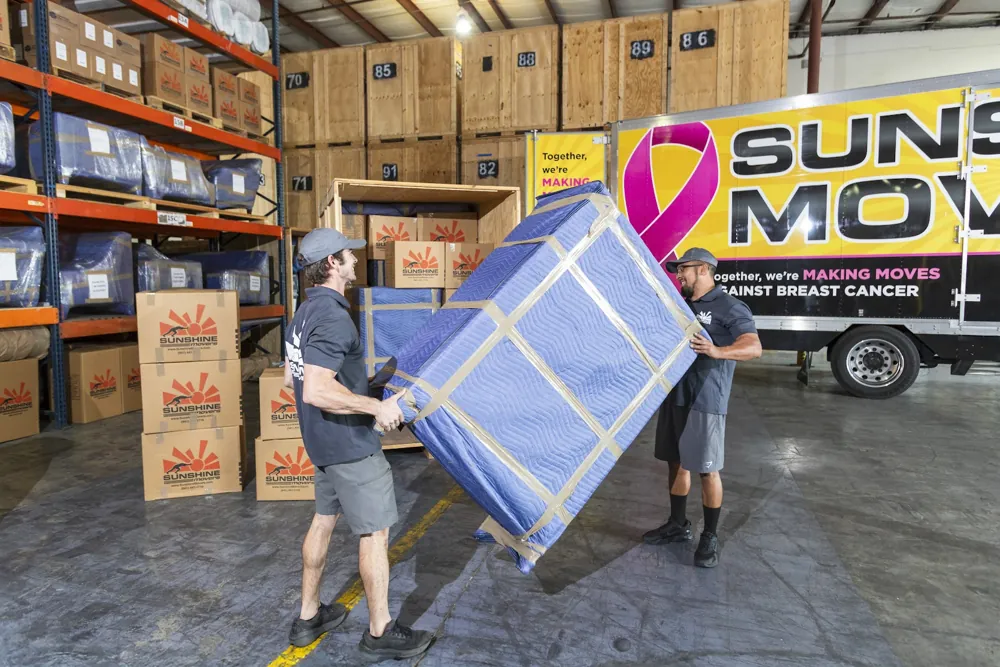
If you’ve ever managed a renovation, a staged move, or a project with a lot of moving parts, you already know the moment when the question becomes urgent: where does all the furniture go while everything else is happening? It’s one thing to plan paint colors and delivery schedules. It’s another thing to protect couches, tables, beds, office furniture, décor, and equipment while a home or workspace is under construction, transitioning, or being prepared for sale.
That’s where FF&E storage comes in. You may have seen the term in construction and hospitality conversations, or you may be encountering it for the first time while searching for a furniture storage warehouse or project storage solution. FF&E stands for furniture, fixtures, and equipment. In plain terms, FF&E storage is a professional way to store furniture and related items during a project timeline so they stay protected, organized, and ready for delivery when the space is actually ready for them.
FF&E storage is often associated with commercial projects, but it can also be incredibly useful for homeowners—especially when renovation timelines change, new builds are delayed, or staged moves create awkward gaps between move-out and move-in. When storage is handled in a warehouse setting with logistics in mind, it becomes more than “extra space.” It becomes part of the plan.
This article breaks down what FF&E storage is, who typically needs it, how it can help homeowners, whether it can be climate controlled, and how long items can be stored as projects unfold.
What Is FF&E Storage?
FF&E stands for furniture, fixtures, and equipment. In project planning, it refers to the items that make a space functional and complete: furniture like sofas, beds, desks, and chairs; fixtures like lighting, mirrors, shelving, and installed décor elements; and equipment such as appliances, electronics, office equipment, or specialized items used in a business setting.
FF&E storage is the storage of those items in a warehouse environment designed for project timelines. Instead of treating storage as an afterthought, FF&E storage is usually approached as part of a logistics workflow. Items are received, protected, organized, and stored until a project milestone triggers delivery and placement.
This matters because FF&E is often expensive, high-value, and easily damaged through repeated handling. It may also arrive before the space is ready. A renovation can delay installation. A new construction project can slip. A commercial buildout can be held up by permits or inspections. Without a plan, FF&E ends up being moved multiple times, placed in risky temporary locations, or exposed to dust and damage on job sites.
A furniture storage warehouse solution that’s built for FF&E aims to reduce those risks by keeping items in a controlled environment and keeping the process accountable from intake through delivery.
Why FF&E Storage Matters During Moves and Renovations
Most people assume the biggest threat to furniture is time. In reality, the biggest threat is transition. FF&E items are most likely to be scratched, dented, torn, or broken while they’re being moved, staged, re-staged, and shifted around to make room for other work. Every extra “touch” is another opportunity for something to go wrong.
Renovations increase that risk because they introduce dust, debris, contractor traffic, changing workflows, and unpredictable timing. Even a well-managed renovation creates an environment where furniture is safer off-site than tucked into a corner and covered with plastic. Dust travels. Materials bump into things. Work zones expand. Furniture gets moved again and again as trades come in and out.
Moves can create similar risk, especially staged moves or phased relocations. If you have to be out of one space before the next is ready, or if the plan involves temporary housing, storage becomes the bridge. When that bridge is improvised—like a garage, a friend’s spare room, or a public-access storage unit—handling and accountability can become messy.
FF&E storage helps because it treats furniture and project items as assets that need controlled custody. It gives you an organized holding pattern that supports project timing rather than fighting it.
Who Typically Needs FF&E Storage?
FF&E storage is commonly used by builders, project managers, and businesses because their timelines and deliveries rarely align perfectly. A contractor may need to clear furniture before demolition begins. A project manager may need to receive shipments before the site is ready. A business may need to move out of an office temporarily during a renovation. A hotel may need to store furniture during a phased refresh. An interior designer may need a secure place to hold items until installation day.
It’s also frequently used by organizations that can’t afford downtime. When businesses renovate, they often need furniture and equipment stored safely so the space can be reopened quickly and efficiently. They don’t want items sitting in open areas, being exposed to dust, or getting damaged in the shuffle.
What’s changing is how often homeowners now need the same kind of support. Renovations have become more complex. New construction schedules shift. Home sales move faster than the next purchase can close. Downsizing transitions involve staging and multiple timelines. In these cases, homeowners experience the same problem commercial projects do: furniture and valuable items need a safe place to go, with a clear plan for when they come back.
Can Homes Use FF&E Storage?
Yes, and it’s often one of the most effective ways to keep a renovation or staged move from becoming chaotic. Homeowners may not call it “FF&E” at first, but the need is the same: protect furniture, fixtures, and key household items while the home is being updated, sold, or prepared for the next stage.
During renovations, homeowners use a furniture storage warehouse for two main reasons. The first is protection. Keeping furniture out of dust and construction traffic helps preserve finishes, fabrics, and structural integrity. The second is efficiency. Contractors work faster and safer in cleared spaces. Floors can be installed without moving heavy pieces repeatedly. Painting and drywall work can be completed without furniture acting like a barrier.
During staged moves and real estate transitions, FF&E-style storage helps when the timing doesn’t align. If you’re selling a home, staging it, moving out, and waiting on a closing, storage provides a professional way to hold items until the new home is ready. It can also help when new furniture arrives before move-in day, which is increasingly common with delivery schedules and backorders.
For homeowners who have invested in quality furniture, décor, and appliances, using a professional storage solution designed for project timelines is often less stressful than managing the risk of DIY storage and repeated handling.
Is FF&E Storage Climate Controlled?
It can be, and climate control is an important consideration in Florida. Heat and humidity can affect many FF&E items over time, especially wood furniture, upholstered pieces, leather, artwork, paper goods, and electronics. Even if items never touch water, moisture in the air can slowly change materials. Wood can swell or warp. Upholstery can develop musty odors. Metal components can corrode. Electronics can be impacted by moisture-related corrosion or condensation risk.
Climate controlled storage helps by stabilizing conditions and reducing the swings that contribute to those problems. Whether climate control is necessary depends on what you’re storing, how long you’re storing it, and how sensitive the items are. For high-value furniture and finishes, climate control often becomes a smart form of risk reduction, especially when project timelines are uncertain.
It’s also important to remember that climate is only part of protection. Professional handling, proper wrapping and padding, and controlled access matter just as much. Even a climate controlled environment won’t prevent damage caused by repeated re-stacking, tight packing, or careless handling. The best FF&E storage combines stable conditions with a professional custody process that keeps items protected from intake to redelivery.
How Long Can FF&E Items Be Stored?
FF&E storage is built for flexibility because project timelines can shift. Some projects require short-term storage for a few days or weeks, such as clearing rooms for flooring installation or holding furniture during a quick renovation phase. Other projects require longer storage, especially for new construction, phased renovations, or extended commercial buildouts.
The right storage plan is the one that remains predictable even when your timeline changes. Renovations often run longer than expected. Materials arrive late. Inspections get pushed. Contractors reschedule. A flexible storage approach allows items to remain protected without forcing you to move them repeatedly or find new temporary space.
For homeowners, longer storage is common during new builds, extensive renovations, and multi-stage moves. For project managers, longer storage can be needed when FF&E arrives early or when installation windows shift. In both cases, the goal is the same: keep items protected, organized, and ready to deploy at the right time.
What Makes FF&E Storage Different From a Standard Storage Unit?
Many people assume FF&E storage is just a larger storage unit with a different name. In reality, FF&E storage is defined more by process than by square footage. A standard storage unit is usually customer-managed. You load it, stack it, access it, and manage it over time. That approach can work for simple overflow needs, but it often introduces extra handling, unclear accountability, and more opportunities for damage.
FF&E storage is typically managed like logistics. Items are received, protected, organized, and stored in a way that supports delivery schedules and project milestones. The emphasis is on controlled custody and minimized touchpoints. That matters for furniture and fixtures because they are often fragile in ways people underestimate. A small scratch on a high-end finish, a dent on a table corner, or a torn upholstery seam can be costly and frustrating, especially when it happens during a phase of the project when you have the least time and energy to deal with it.
A warehouse model also tends to reduce damage risk by improving the physical flow of intake and storage. When items move directly from truck to warehouse with fewer obstacles, there are fewer chances for bumps and drops. When access is controlled, there’s less unknown traffic and less risk of accidental contact. When inventory awareness is part of intake, it’s easier to coordinate delivery when the project is ready.
FF&E Storage Is the Quiet Backbone of a Smooth Project
Moves and renovations are disruptive by nature, but furniture and valuable items don’t have to be casualties of the process. FF&E storage exists because project timelines rarely behave perfectly. Deliveries arrive early. Work takes longer than expected. Spaces need to be cleared to keep progress moving. And valuable items need protection from dust, traffic, moisture, and unnecessary handling.
Whether you’re a builder coordinating project milestones, a project manager managing deliveries, or a homeowner trying to keep a renovation or staged move organized, FF&E storage can turn chaos into a controlled plan. It provides a professional holding space for the items that make a home or business functional, and it helps ensure those items are ready to return in good condition when the project is complete.
If your next move or renovation involves high-value furniture, fixtures, or equipment, thinking about storage early can be the difference between a smooth timeline and a stressful scramble. A well-planned furniture storage warehouse solution keeps the focus on progress, not on where everything is piled up while you wait.
Contact Sunshine Movers for your Storage Needs


