.webp)


.webp)

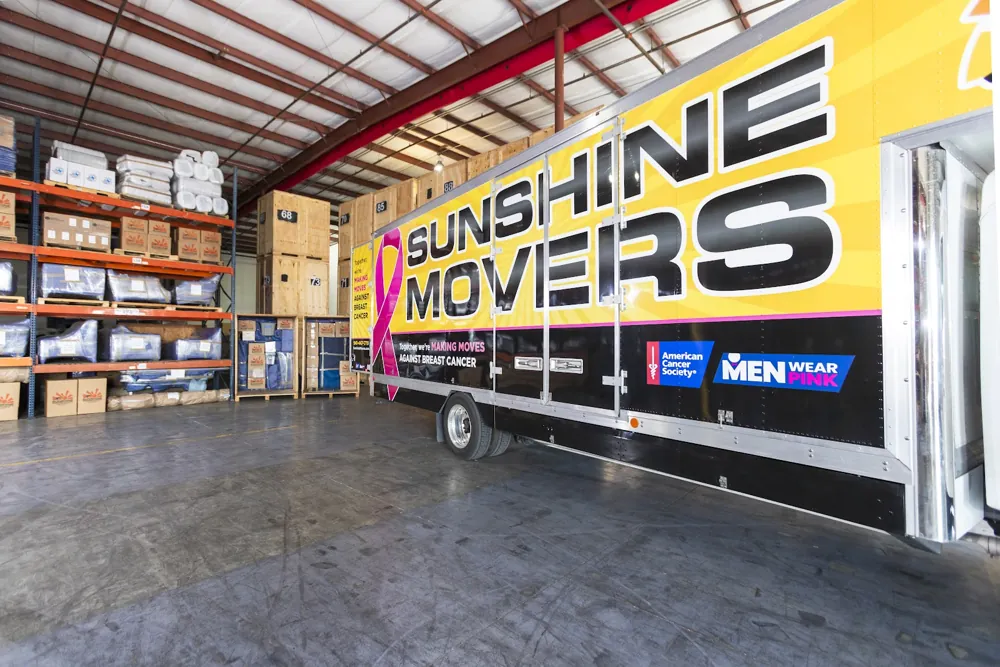
As companies in Sarasota and Bradenton expand, they quickly discover that square footage is just as important as sales figures. Inventory starts to outgrow back rooms, seasonal goods pile up, and new equipment competes with desks for space. At that point, commercial storage is not just a nice-to-have convenience—it becomes a strategic tool for managing growth. Purpose-built storage solutions let businesses separate “working space” from “asset space,” so offices, storefronts, and warehouses can stay efficient while products and equipment are still close at hand.
When storage is treated as part of a growth strategy rather than a last-minute fix, it supports smoother operations. Instead of cramming shelves into every corner or renting larger premises before you are ready, you can offload surplus inventory, archived records, and infrequently used equipment into commercial storage units or warehouse environments. That frees core space for staff, customers, and daily operations, while still keeping assets available as you scale.
Strategic business storage gives growing companies a way to separate work space from asset space, moving surplus inventory, equipment, and records into commercial storage units so their primary locations stay efficient and ready for growth.
Storage as a Growth Solution for SMEs
Small and medium-sized enterprises often face a familiar dilemma: they need more space, but committing to a bigger lease or an additional location feels risky. Commercial storage provides a flexible middle ground. Instead of overextending on real estate, SMEs can use storage to handle overflow inventory, promotional materials, spare furniture, and equipment, making existing premises feel larger and more functional.
For retailers, this might mean keeping excess stock in storage and pulling it into the store as needed. For service-based businesses, it could involve storing trade show booths, marketing materials, or seasonal tools off-site. Professional practices and creative studios can use storage to hold archived files, samples, and props. In each case, storage acts like an extension of the business—space that can expand or contract with demand without the long-term commitment of another office or storefront.
Scalability: Growing With Commercial Storage Units
One of the biggest advantages of commercial storage units is scalability. As your operations grow, your need for space grows too, but not always in a straight line. Storage allows you to add capacity incrementally. You can start with a small unit for overflow items and move up to larger units or commercial warehouse storage as your inventory or equipment footprint increases.
This scalable approach lets businesses test new product lines, seasonal offerings, or expanded services without immediately reconfiguring their entire real estate strategy. If the expansion goes well, storage can continue to support growth. If plans change, you can downsize your storage footprint more easily than you can unwind a major lease. That flexibility is especially valuable for companies responding to shifting markets, tourism cycles, or seasonal demand in the Sarasota and Bradenton area.
Storing Inventory Without Disrupting Operations
A key question for expanding businesses is whether inventory can be stored off-site without disrupting day-to-day operations. The answer is yes—when storage is integrated thoughtfully into your workflow. Many companies treat commercial storage units and warehouses as “secondary stockrooms.” Fast-moving items might stay on-site, while slower-moving or bulk inventory is placed in storage.
For example, a retailer might store multiple cases of a popular product off-site, keeping only one or two cases in the shop at any given time. When stock runs low, a quick restocking trip or scheduled delivery brings more in. An e-commerce business might use commercial warehouse storage to hold bulk shipments and pick orders from there, freeing up office space for staff and technology. In both cases, the goal is to let the primary location focus on sales and service, while storage handles the square footage demands of inventory.
Flexible Access: Making Storage Work Day-to-Day
Storage only supports growth if access is practical. Businesses need to get in and out without jumping through hoops. Many commercial storage setups offer flexible access hours—extended daytime and sometimes evening availability—so staff can retrieve and store items during normal operations. Some warehouse storage arrangements also include scheduled delivery and pickup services, meaning the storage provider can bring inventory to you on a regular cadence.
The way you use access depends on your business model. Some companies plan weekly or biweekly trips to storage to rotate stock, swap out marketing materials, or bring in seasonal items. Others rely on the storage provider’s logistics services to deliver pallets or packages directly to their door. In both scenarios, access is designed to be predictable and manageable, not a bottleneck. As you choose a commercial storage partner, understanding access options is just as important as size and price.
Security: Protecting Assets While You Grow
Any storage strategy for expanding businesses has to address security. When you move inventory, equipment, or records off-site, you are entrusting their safety to the storage environment. Commercial storage units and warehouse facilities are typically built with this in mind, using locks, controlled access, surveillance, and clear procedures for who can enter and when.
Security matters in several ways. It protects high-value items such as electronics, tools, branded fixtures, and proprietary products. It safeguards sensitive materials, including paper records or stored files that may contain customer or financial information. It also ensures that when staff go to storage, they find assets exactly where they expect them to be. By choosing a secure, professionally managed facility, growing businesses can expand their footprint without increasing risk to their physical assets.
Commercial Warehouse Storage for Larger Operations
As companies move beyond the SME stage or run more complex operations, commercial warehouse storage can become a central part of their strategy. Warehouse storage is ideal for large inventories, bulky equipment, or multi-location businesses that need a central hub. Pallets, racking systems, and organized zones allow for high-density storage with clear separation between products, clients, or departments.
In this model, the warehouse acts as a backbone for distribution and expansion. Restaurants and hospitality businesses might store furniture, fixtures, and backup equipment there. Manufacturers and distributors can use the warehouse to hold raw materials and finished goods. Office-based companies might keep spare furniture and expansion assets ready for new hires or satellite locations. With the right systems in place, warehouse storage becomes more than a place to keep things—it becomes a logistical engine for growth.
Planning a Storage Strategy Around Your Growth Goals
To make storage a true growth solution, businesses need to plan around their goals. Start by asking where space constraints are already causing friction. Are employees working around pallets in hallways? Is valuable retail floor space filled with boxes? Are new initiatives on hold because you cannot physically fit more into your current space? Identifying these pain points helps you decide what should move into storage first.
Next, consider your growth horizon. If you plan to add new products, hire more staff, or open additional locations in Sarasota or Bradenton, storage can help you stage that expansion. You might begin by placing surplus inventory and equipment into commercial storage units now, making room for new hires or new displays. As growth continues, you can use storage to hold assets for future offices or shops, keeping your expansion plan nimble and responsive.
Bringing Storage Into Your Growth Playbook
For expanding companies in Sarasota and Bradenton, storage is far more than extra space—it is a lever for growth. By using commercial storage units and warehouse storage strategically, businesses can relieve pressure on their primary locations, stage new initiatives, and respond quickly to changing demand. Inventory, equipment, and records move into organised, secure spaces, while offices, shops, and production areas stay focused on serving customers and supporting staff.
When storage is woven into your expansion plans from the start, you gain flexibility, scalability, and control. You can grow without rushing into oversized leases, maintain efficient workspaces even as you add products or people, and keep valuable assets protected and accessible. In a dynamic region like Sarasota and Bradenton, where opportunity and competition are both strong, a smart business storage strategy can be the quiet advantage that makes expansion smoother, safer, and more sustainable.


