.webp)


.webp)

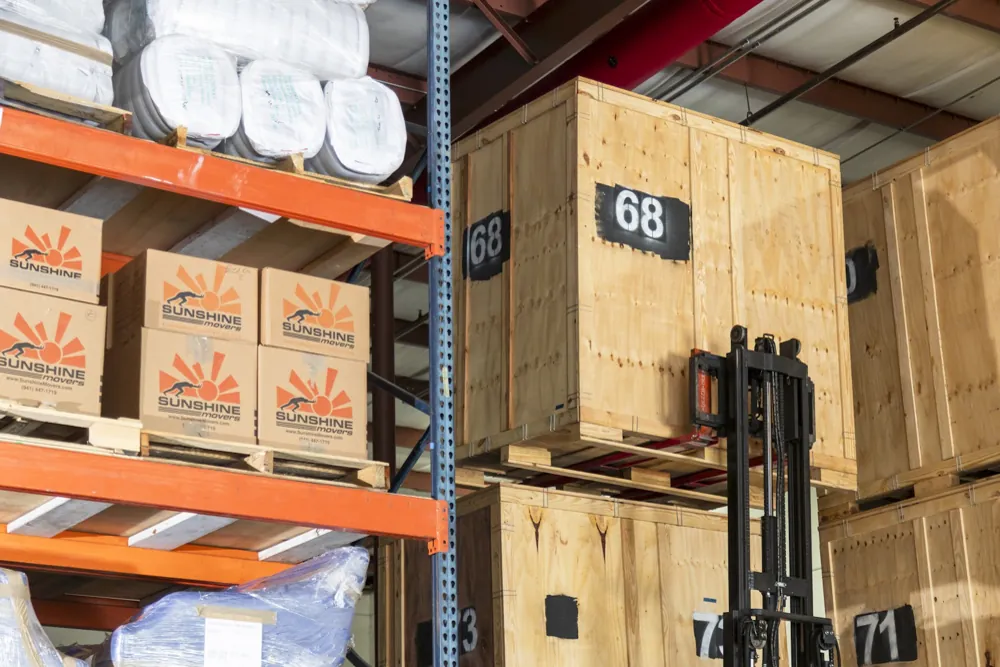
A long gap between homes changes the way people need to think about a move. When move-out and move-in dates are only a day or two apart, the main concern is usually logistics. The goal is to get everything from one home to the next as efficiently as possible. But when the gap stretches into weeks or months, the question becomes bigger than transportation. At that point, the real issue is protection.
Families relocating during an extended move gap often start with one simple worry: where will everything go? That is a valid question, but it is only the beginning. Once furniture is going to sit for a while instead of moving directly into the next home, the focus has to shift toward how it will be stored, how well it will hold up, and what needs to happen now to make sure it comes out in good condition later. That is where household storage becomes far more important than many people expect.
A long move gap can happen for all kinds of reasons. A closing date gets pushed back. A new build is not finished yet. Renovations are taking longer than planned. A temporary rental bridges the transition. A job relocation requires one part of the family to move before the permanent home is ready. In each of these situations, the furniture is not simply in transit. It is between chapters. That means the storage plan needs to do more than hold the items. It needs to preserve them.
This is where thoughtful residential storage makes a real difference. Furniture that is being stored during a long gap should not be treated like overflow that just needs somewhere to sit. These are the pieces people plan to live with again. Beds, dining tables, sofas, bedroom furniture, décor, and meaningful household items all need to make it through the transition without avoidable damage. A proper plan protects not only the furniture, but also the move itself from becoming more stressful and expensive than it needs to be.
Why a Long Move Gap Requires a Different Storage Mindset
People often underestimate how different a long move gap is from a short one. If the furniture is going to be stored for only a brief period, some risks still matter, but the timeline is tighter and the chance for small issues to build is lower. Once that gap extends, time starts working differently. The environment matters more. Preparation matters more. The way items are packed and positioned matters more. Even the timing of redelivery becomes something that needs to be thought through in advance.
That is why families relocating should approach long-gap household storage as a preservation process, not just a pause in the move. Furniture is not frozen in time once it goes into storage. Materials continue reacting to their environment. Wood can respond to moisture. Upholstery can absorb odors or humidity. Leather can dry out or mildew depending on the conditions. Pressure from poor stacking can affect shape and structure. The longer furniture stays in storage, the more important those factors become.
A long move gap also creates more room for the original timeline to change again. What starts as a six-week gap can become three months. What looks like a quick delay can stretch as construction or closing details shift. That is why it makes sense to prepare furniture from the beginning as though it may be stored longer than expected. Doing so gives families more protection against the kind of timeline changes that happen all the time during moves.
Which Furniture Needs the Most Protection
Not all furniture carries the same level of risk in storage. Some pieces are naturally more vulnerable because of the materials they are made from, how they are constructed, or how valuable they are to the household. Understanding that helps families prioritize protection rather than treating every item the same way.
Wood furniture is one of the biggest categories that deserves extra care. Dining tables, bedroom sets, bookshelves, hutches, desks, and accent furniture can all react to changes in humidity and temperature. Wood can swell, shrink, warp, or develop finish problems over time if the environment is not stable. Veneered furniture can be even more sensitive, especially if adhesives or finish layers are exposed to too much moisture or heat.
Upholstered furniture also needs careful attention. Sofas, sectionals, dining chairs with fabric seats, recliners, mattresses, and padded headboards are all vulnerable to moisture retention, odor buildup, dust, and mildew risk if stored improperly. These pieces often look durable from the outside, but their interior materials can hold onto environmental stress longer than people realize.
Leather furniture is another category that should never be treated casually during a long move gap. Leather responds poorly to unstable conditions. In some environments it may dry out and crack. In others, especially humid ones, it may develop mildew or surface issues. Because leather furniture is often a major investment, the storage conditions matter even more.
Then there are fragile or sentimental pieces. Antiques, heirlooms, glass-front cabinets, mirrors, artwork-adjacent furnishings, marble tops, decorative finishes, and children’s keepsake furniture all deserve special care. Even if their market value is difficult to define, their personal value may be high. A long move gap is not the time to assume those items will “probably be fine” without a real storage plan behind them.
Packing Furniture for a Long Storage Period
Packing furniture for a long move gap is very different from packing it for a same-day delivery. When items are going directly into the next home, the priority is safe transport. When they are headed into household storage for an extended period, the goal expands to include condition over time.
That means furniture should be prepared in a way that protects surfaces, supports the structure of the piece, and helps reduce environmental stress. Wood surfaces need protection from scratches and rubbing. Upholstered pieces need to stay clean and shielded without trapping unwanted moisture. Delicate corners, legs, and trim details need extra attention because they are often the first areas to get damaged during handling or while sitting near other items in storage.
Disassembly can also play an important role. Large furniture that can be broken down safely often stores more securely when bulky or protruding parts are removed and protected properly. Bed frames, table legs, and certain shelving units may be more stable and less vulnerable to pressure damage when stored in a way that reduces strain on their weakest points.
Packing also has to account for how long the furniture may sit untouched. If an item is wrapped carelessly, stacked badly, or pressed into a risky position, those issues do not just exist for a day or two. They continue working against the furniture the entire time it remains stored. That is why long-gap storage should be approached with patience and intention. Quick solutions often become long-lasting problems.
Why Climate Controlled Storage Matters During Longer Delays
When families hear the phrase climate controlled storage, some assume it is only necessary for luxury pieces or extremely long storage periods. In reality, climate control often matters most for ordinary household furniture that people fully expect to use again once the move is complete. During a long move gap, the environment becomes one of the biggest factors in how well furniture holds up.
Climate controlled storage helps create a more stable setting for furniture and household goods. That stability matters because temperature swings and excess humidity can quietly affect materials over time. Wood can expand and contract. Upholstery can hold moisture and odor. Leather can deteriorate. Adhesives and finishes can weaken. Mold and mildew risk can increase when warmth and humidity combine in a poorly controlled environment.
For families relocating in Florida or any humid region, the case for climate controlled storage becomes even stronger. Heat and moisture are not occasional storage threats in those climates. They are part of the normal environment. Furniture that would likely do fine in a conditioned living room may respond very differently in an uncontrolled storage space over a matter of weeks or months.
That is why climate control is often not just a nice feature, but a major part of protecting furniture during a long move gap. The longer the storage timeline, the more valuable stable environmental conditions become. Families do not usually store furniture because they want it out of sight forever. They store it because they want it back in good condition when the next home is ready.
Why Placement Inside Storage Is Just as Important as Packing
A lot of people focus on packing and forget that how furniture is placed inside storage also affects how well it holds up. Good protection does not end once the item is wrapped. Placement determines whether furniture stays supported, whether weight is distributed properly, and whether materials remain exposed to unnecessary pressure or restricted airflow.
Heavy items should not be allowed to press on surfaces that are not built to carry weight. Cushioned pieces should not be compressed for extended periods. Delicate finishes should not be rubbed against neighboring furniture. Wood tabletops should not be positioned in ways that place stress on joints or legs. Mattresses and upholstered pieces need conditions that help preserve shape and freshness, not positions that encourage pressure points or trapped humidity.
This is another reason professionally managed household storage tends to produce better outcomes than improvised arrangements. The goal is not simply to fit as much as possible into the available space. The goal is to protect the items while they remain stored. That means placement should be thoughtful, stable, and designed around preservation rather than short-term convenience.
Over a long move gap, small placement issues can become bigger ones. Something that seems fine on day one may not be fine after ten weeks of constant pressure. That is why careful storage layout matters just as much as good initial packing.
How Long Is Too Long Without Checking on Stored Furniture?
This is a question many families ask once they realize the move gap may last longer than expected. They want to know how long furniture can safely sit without being checked. The answer depends on the environment, how well the items were prepared, and how professionally the storage is being managed.
If furniture is stored in a clean, climate controlled storage environment and handled properly from the beginning, it can remain stored far more safely than furniture left in poor conditions with little oversight. The problem is not always the amount of time by itself. The problem is time combined with uncertainty. If no one knows how the furniture was packed, what kind of environment it is sitting in, or whether its placement is stable, then long periods without checks become more concerning.
This is why preparation and facility quality matter so much. Families should not have to rely on luck during a long move gap. A properly managed residential storage setup reduces the need for constant worry because the protection is built into the process from the beginning. That said, longer storage periods do make it wise to think in terms of preservation rather than simple waiting. The more meaningful the furniture is, the less sense it makes to leave its condition to chance.
A long move gap should also remind families that the expected delivery date may not be the final one. Delays happen. Being prepared for a storage period to last longer than planned is often the smartest way to protect furniture from the consequences of changing timelines.
Planning for Redelivery from the Start
One of the most overlooked parts of long-gap household storage is redelivery planning. People are naturally focused on getting through move-out and securing storage, but the final leg of the move deserves attention early too. Furniture is not just being stored. It is being stored so it can be delivered again when the next home is ready.
That means the storage process should support the eventual move-in, not complicate it. Items should be stored with the understanding that they are headed to another residence, not sitting indefinitely with no clear future use. Good organization matters because it affects how smoothly that final delivery can happen. So does communication, especially when the move-in date is still evolving.
Families relocating often discover that the redelivery date depends on more than just getting the keys. The home may need cleaning, painting, flooring work, or utility setup before furniture should be brought in. Some people are technically able to access the new home before it is truly ready to receive everything. A smart storage plan allows for that difference. Final delivery should happen when the house is actually prepared, not just when it becomes available on paper.
Thinking ahead about redelivery also reduces last-minute stress. When the time comes to complete the move, families are often juggling many final details. Having a storage plan that already supports that second phase makes it much easier to move forward confidently.
Common Mistakes Families Make During a Long Move Gap
One of the most common mistakes is treating the storage period like it will definitely be brief. Families often plan around the best-case timeline and assume the furniture will not sit long enough for conditions to matter. That can lead to rushed packing, poor preparation, and storage choices that do not hold up well if the delay extends.
Another mistake is focusing only on available space instead of the quality of the environment. A storage option may seem convenient, but if the conditions are not stable, the risk to furniture goes up. This is especially true for wood furniture, upholstery, leather, mattresses, and sentimental pieces.
Families also make mistakes when they assume furniture is durable enough to handle pressure, stacking, or awkward positioning for extended periods. Many items are sturdy in daily use but vulnerable when stored improperly for weeks or months. Long-term pressure, moisture, and limited airflow can do more damage than people expect.
Finally, some people wait too long to think about redelivery. They treat storage as one separate issue and move-in as another, when in reality the two are connected. The smoother the storage phase is organized, the smoother the final delivery tends to be.
Why the Best Long-Gap Storage Plans Focus on Protection, Not Just Space
When a move gap stretches longer than expected, the right storage plan is not simply about finding room for the furniture. It is about protecting the pieces that will be part of the next home. Household storage works best when families treat it as an important part of the relocation process rather than a temporary afterthought. The longer the gap, the more that approach matters.
Safe furniture storage during a long move gap depends on several things working together. The furniture needs proper preparation. The storage environment needs to be clean, stable, and well managed. Climate controlled storage often becomes a major advantage because it helps reduce the environmental risks that build over time. Placement inside storage needs to protect the structure and surfaces of each item. And the process should always support the eventual redelivery into the next home.
For families relocating, that is the real takeaway. A long move gap does not have to put your furniture at risk, but it does require a more thoughtful plan. When storage is handled with care from the beginning, the move feels less uncertain, the belongings stay better protected, and the final delivery becomes a lot easier to manage. That is the difference between simply putting furniture somewhere for a while and storing it in a way that truly prepares it for what comes next.
Contact Sunshine Movers for your Storage Needs


