.webp)


.webp)

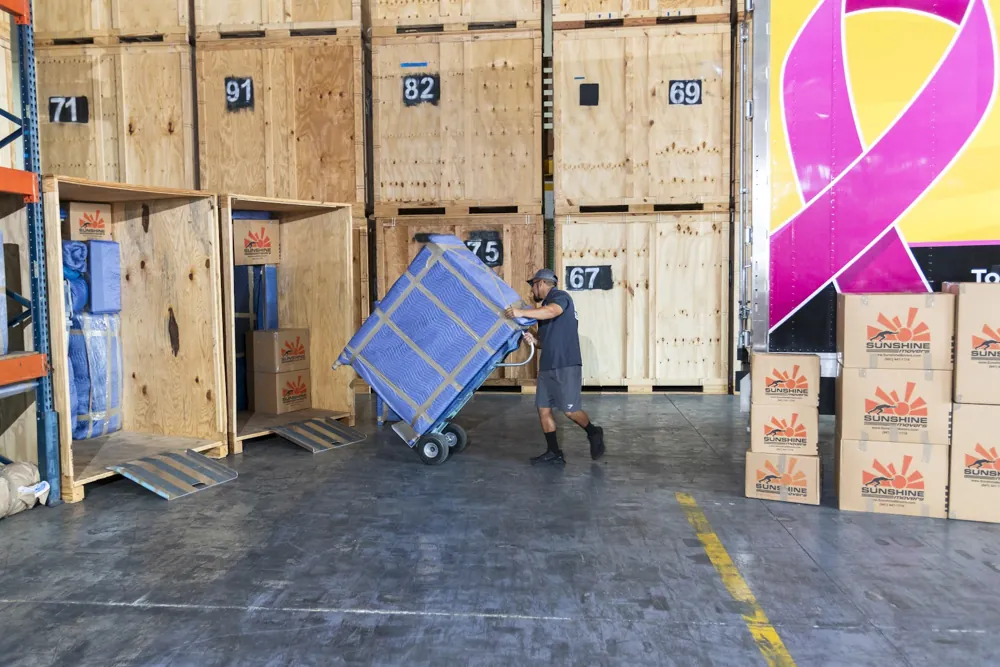
When people think about storing furniture, they often focus first on space. They need room during a move, a renovation, a downsizing project, or a timing gap between homes, and storage seems like the practical answer. But once furniture is placed into storage, the question changes. It is no longer just about where the furniture will go. It becomes about what will happen to it over time. That is where storage conditions start to matter a great deal.
Furniture is not static just because it is sitting still. Materials continue to respond to their environment every day they remain in storage. Wood reacts to humidity. Upholstery absorbs moisture and odors. Leather can dry out or become sticky depending on conditions. Adhesives, veneers, finishes, foam, and even metal hardware can all change when exposed to heat, damp air, stagnant air, or repeated fluctuations in temperature. For Florida homeowners, this matters even more because the climate creates a very different storage risk profile than a mild, dry environment. Heat and humidity are not occasional concerns. They are ongoing forces that can gradually change the condition of stored furniture over weeks and months.
That is why so many people comparing storage environments start asking deeper questions. They want to know whether climate controlled storage is really necessary, how quickly damage can happen, and what kinds of furniture are most vulnerable. Those are smart questions because storage damage often develops slowly and quietly. It does not always appear as one dramatic event. More often, it shows up as gradual warping, discoloration, odor, loosening joints, fabric issues, or finish changes that only become obvious when the furniture is brought back into the home. By then, the damage is no longer theoretical. It is real, frustrating, and often expensive to correct.
For homeowners in Florida, the issue is not just protecting furniture from obvious threats like theft or scratches. It is also protecting it from the environment itself. Storage conditions shape whether furniture simply waits in place or slowly deteriorates while no one is looking. That is why understanding temperature, humidity, and airflow is so important. These are not technical details that only matter for antiques or luxury pieces. They affect everyday furniture, too, especially when the storage period stretches beyond just a few days.
Why Furniture Changes in Storage Even When No One Touches It
Many people assume that furniture remains fine as long as it is not being used. That sounds reasonable at first, but it overlooks how responsive household materials are to the environment around them. Furniture is made from materials that expand, contract, absorb, dry out, soften, harden, and shift depending on conditions. Storage is not neutral. It is an active environment, and the furniture inside it continues to react.
Wood is one of the clearest examples. It naturally responds to moisture in the air. In high-humidity conditions, it can absorb that moisture and swell. In drier conditions, it can contract. Repeated changes between those states place stress on the structure of the piece. Over time, joints may loosen, drawers may stop gliding properly, doors may stick, and surfaces may warp or crack. This can happen even if the furniture was in excellent shape before storage began.
Upholstered furniture reacts differently but just as seriously. Fabric can trap moisture and odors. Cushions can lose structure if the environment is too damp or if the materials inside begin to break down. Leather can become dry and brittle in some conditions and tacky or vulnerable to mildew in others. Foam and batting can also deteriorate faster when heat and moisture levels remain high. What makes this challenging is that the damage may not appear immediately. A chair or sofa may look normal at first glance, then reveal odor, discoloration, or texture changes once it is back in use.
The same principle applies to finishes, adhesives, and hardware. Veneers can lift when moisture affects the bond beneath them. Glues can weaken in heat. Metal screws, hinges, and decorative elements may corrode if exposed to prolonged dampness. So even though the furniture is not being handled or used, it is still being affected every day by the storage environment. That is the central issue Florida homeowners need to understand when comparing storage options.
Why Florida Storage Conditions Are Especially Challenging
Florida creates a unique set of storage concerns because the climate is consistently warm, humid, and often unpredictable. In many parts of the country, a non-controlled storage space may be tolerable for certain items during parts of the year. In Florida, the environment tends to stay harder on furniture for much longer. High humidity is not a brief inconvenience. It is a persistent condition that can influence stored belongings every day.
This matters because moisture in the air does not need to look dramatic to cause damage. A storage space can appear dry and still have humidity levels high enough to affect wood, fabric, leather, and finishes. Add heat to that equation, and the risk grows. Warm, humid air accelerates many of the problems homeowners are trying to avoid. It encourages mildew and odor retention, increases the stress on wood and adhesives, and creates a less stable environment overall.
Florida homeowners also deal with seasonal weather patterns that can introduce additional swings in temperature and moisture. Storm season, prolonged rain, and extended heat can all place extra pressure on storage conditions. If a storage space lacks environmental control and proper airflow, furniture may spend weeks or months in conditions that are simply not suited for preservation. That is why climate controlled storage becomes such an important comparison point in Florida. It is not marketing language for a luxury add-on. It is often the difference between a stable environment and one that quietly works against the furniture the entire time.
How Humidity Affects Furniture
Humidity is one of the most important factors in long-term furniture storage because it influences so many materials at once. When humidity is high, moisture in the air can be absorbed into wood, fabrics, padding, paper-based materials, and other components of household furniture. That absorption may seem minor at first, but over time it can reshape the condition and performance of the piece.
For wood furniture, humidity can cause swelling, warping, bowing, and stress around joints. A table may not sit the same way. A dresser drawer may begin sticking. Cabinet doors may feel slightly off. In more severe cases, finishes can dull, crack, or separate from the surface beneath. Wood furniture does not need to be antique to be vulnerable. Everyday bedroom sets, dining tables, shelving units, and accent pieces can all be affected if humidity remains high for long enough.
Humidity can be just as destructive for upholstered furniture. Fabric can absorb moisture, and that moisture can lead to musty odor, mildew risk, and a general decline in freshness and texture. Cushions and internal padding may feel different after long exposure to damp air. Leather also suffers from unstable humidity. It may stretch, discolor, attract mildew, or lose the feel it had before storage. Even if visible mold never develops, prolonged moisture exposure can still leave furniture smelling stale and feeling compromised.
Humidity is especially difficult because damage is often gradual. Homeowners may think the furniture is safe because there was no obvious leak, flood, or accident. But long-term exposure to damp air can be just as harmful in a slower, less dramatic way. That is why climate controlled storage matters so much in humid regions. It addresses the background condition that causes many of the most common furniture issues.
The Furniture Materials Most Sensitive to Storage Conditions
Some materials are more forgiving than others, but many of the materials found in household furniture are surprisingly sensitive to environmental changes. Wood is near the top of the list because it reacts directly to humidity and temperature fluctuations. Solid wood can expand and contract, while veneered furniture faces the added risk of adhesive failure or surface lifting if the environment becomes too damp or hot. Even engineered wood products can suffer when moisture affects their structure over time.
Upholstered pieces are also highly sensitive. Sofas, armchairs, dining chairs with padded seats, benches, and headboards all contain combinations of fabric, foam, batting, wood, adhesives, and metal. That mix of materials means there are multiple ways for environmental stress to take hold. Fabric can absorb odor and moisture, foam can age faster in heat, and internal structures may become less stable if humidity remains elevated for too long.
Leather furniture deserves special attention as well. It may look durable, but leather reacts strongly to environmental imbalance. Too much humidity can encourage mildew or a sticky surface feel. Too much dryness or repeated fluctuation can leave it stiff or prone to cracking. Leather furniture often needs a stable environment more than people realize.
Furniture with decorative finishes, delicate veneers, glass components, or metal detailing can also be vulnerable. Finishes may cloud or soften. Veneers can lift. Hardware may corrode. Mirrors and glass inserts can be affected by poor placement and unstable conditions. Mattresses and soft furnishings stored alongside furniture are also highly sensitive to moisture and airflow issues, especially in warm climates.
The broader point is that many standard household items are not built to sit indefinitely in uncontrolled heat and humidity. They are built for lived-in indoor spaces with relatively stable conditions. When storage drifts too far from that kind of environment, materials begin reacting in ways that can shorten the life of the furniture.
How Quickly Damage Can Start
One of the most common questions homeowners ask is how quickly furniture damage can happen in storage. The answer depends on the materials, the storage environment, and the length of exposure, but the important thing to understand is that damage can begin earlier than many people assume. It does not always take years. Under the wrong conditions, problems can start developing within weeks.
This does not mean every piece of furniture placed in non-controlled storage will show immediate visible damage. What often happens is subtler. Moisture begins affecting the wood. Upholstery starts holding odor. Adhesives are stressed by heat. Internal padding begins aging faster than it should. These early stages may not be obvious, but they set the stage for larger problems later. By the time the furniture is removed from storage, the damage may have progressed enough to become noticeable.
Longer storage periods naturally increase the risk. A few days in poor conditions may not produce the same results as several months, but the issue is cumulative. Every week the furniture spends in heat, humidity, or stagnant air adds pressure to its materials. For Florida homeowners especially, even a moderate storage period can expose furniture to repeated cycles of warm, damp conditions that create lasting wear.
That is why people comparing storage environments should think beyond the first month. Many moves, renovations, and downsizing projects last longer than expected. A short-term storage plan can quietly become a multi-month arrangement. If the environment is not suitable, the furniture pays the price over time. The safest approach is to assume that storage may last longer than originally planned and choose conditions accordingly.
The Role of Temperature in Long-Term Furniture Preservation
Temperature matters because heat affects both materials and the pace at which other problems develop. High temperatures can accelerate the breakdown of adhesives, finishes, foam, and certain synthetic materials used in furniture. They can also intensify the effects of humidity. Warm, damp storage is often much more problematic than cool, stable storage because the combination creates a more aggressive environment for deterioration.
Wood furniture exposed to repeated heat may experience surface stress, finish wear, and increased movement when paired with humidity changes. Upholstered furniture can also suffer because heat can influence padding, fabric tension, and internal glues. Leather may lose condition faster in high heat, particularly if the air is also unstable. Decorative surfaces and laminates may begin to shift or separate if exposed to enough heat over time.
Temperature swings matter too. Furniture tends to fare better in stable conditions than in spaces that become very hot during the day, somewhat cooler at night, then hot again the next day. Repeated fluctuation places stress on materials because they are constantly responding rather than remaining steady. Climate controlled storage reduces that stress by keeping the environment more consistent, which is exactly what furniture needs during longer storage periods.
Why Airflow Matters More Than People Expect
Airflow is sometimes overlooked because it sounds less important than temperature or humidity, but it plays a major role in furniture preservation. Poor airflow allows warm, moist air to linger. That increases the chance of odor buildup, stale conditions, and moisture retention in fabrics, cushions, mattresses, and other soft materials. Furniture does not benefit from sitting in stagnant air, especially in warm climates.
Good airflow supports a more stable environment. It helps prevent pockets of dampness and reduces the sense that furniture is sitting in an enclosed, neglected space. This is particularly important when storing upholstered items, mattresses, and pieces with fabric linings or hidden interior materials. If air remains trapped and still, those materials can begin holding moisture and smell in ways that are hard to reverse later.
For homeowners evaluating climate controlled storage, airflow should be seen as part of the larger environmental picture. Climate control is not only about cooling a room. It is also about managing the overall condition of the space so furniture is not left sitting in hot, humid, stale air for extended periods. That kind of stability makes a major difference in how furniture comes out after storage.
Is Climate Control Always Needed
Not every item requires the same level of protection, and that leads many people to ask whether climate control is always necessary. The most accurate answer is that it depends on what is being stored, where it is being stored, and how long the storage period will last. But for furniture, especially in Florida, climate controlled storage is often the safer and more responsible choice.
If the furniture includes wood, upholstery, leather, veneer, glued components, decorative finishes, or sentimental value, climate control is usually worth serious consideration. That is particularly true when storage may last more than a brief period. What feels like a simple short-term plan often becomes several months, and that extra time can make environmental risk much more significant.
Climate control may be less critical for a small number of very rugged, low-value items being stored for a very limited period in mild conditions. But that is not how most residential storage situations work in Florida. Homeowners are often storing full households, meaningful furniture pieces, and mixed materials while navigating uncertain timelines. In those scenarios, the question is not whether climate control is technically optional. It is whether the furniture is worth protecting from predictable environmental stress. For many people, the answer is yes.
What Typically Happens in Non-Controlled Storage
Non-controlled storage can seem fine at first because the problems are not always immediate or visible. The space may look clean, enclosed, and secure. But if temperature and humidity are not managed, furniture inside that space is left to respond to the natural environment over time. In Florida, that often means prolonged exposure to heat, damp air, and fluctuating conditions that increase wear.
Wood furniture in non-controlled storage may swell, shift, or develop stress around joints and finishes. Upholstered items may come back smelling musty or feeling slightly damp and stale. Leather may lose its original texture. Mattresses and soft furnishings can absorb odor and moisture. Metal hardware can show signs of corrosion. Veneers and adhesives may weaken. None of these outcomes is guaranteed in every case, but all of them become more likely when storage conditions are left uncontrolled for extended periods.
What makes non-controlled storage tricky is that the furniture may look acceptable at first glance while still being affected underneath. Drawers may stick only after the piece has been back in the home for a few days. Odor may become more noticeable once the furniture is brought indoors. Surface changes may reveal themselves as the item adjusts again to interior living conditions. The damage is often less about one catastrophic event and more about gradual degradation that could have been reduced or avoided with better storage conditions.
How Storage Conditions Affect Your Furniture
Furniture storage is about more than finding an empty space and closing the door. Over time, storage conditions shape the outcome. Temperature, humidity, and airflow all influence whether furniture stays stable or slowly deteriorates while out of sight. For Florida homeowners, this issue is especially important because the local climate creates exactly the kind of environment that can shorten the life of wood, upholstery, leather, and finished surfaces.
That is why climate controlled storage deserves careful consideration when comparing options. It helps create the kind of stable environment furniture is more likely to tolerate over weeks and months. And when life changes already bring enough uncertainty, the last thing homeowners need is preventable damage waiting at the end of the storage period.
The right storage environment does more than hold furniture temporarily. It helps preserve condition, protect value, and make sure the pieces that matter return home looking and functioning the way they should.
Contact Sunshine Movers for your Storage Needs


