.webp)


.webp)

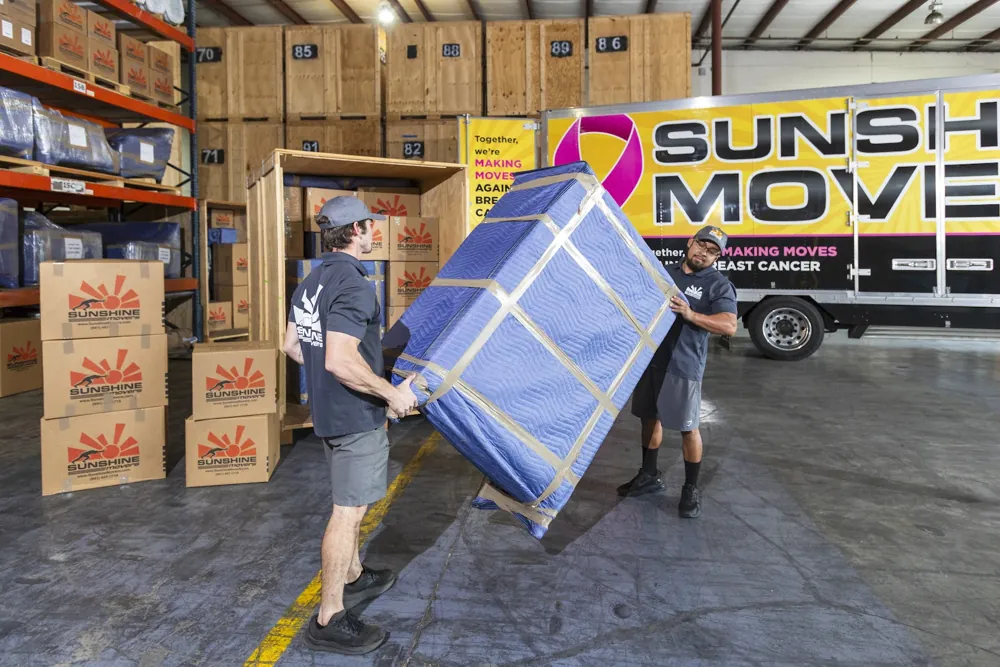
For many homeowners and businesses, warehouse-based furniture storage feels a little mysterious. They understand the general idea that items are picked up or delivered, placed in a secure facility, and returned later when needed. But what happens in between is often less clear. People naturally wonder how furniture is received, who handles it, whether it is stacked on top of other belongings, how damage is prevented, and whether inventory is truly tracked once everything disappears behind warehouse doors. Those are reasonable questions, especially when the items being stored are valuable, fragile, oversized, or deeply personal.
This uncertainty is one of the biggest differences between traditional self-storage and warehouse-based storage. With a personal storage unit, people can usually see where their belongings are going and how the space is being used. In a secure storage warehouse, the process is more operational and system-based. That can be reassuring when the storage environment is well managed, but it can also feel unfamiliar if someone has never used a warehouse model before. The good news is that professional warehouse storage follows a much more structured handling process than many people assume.
In a well-run warehouse setting, furniture is not simply dropped into an open area and forgotten. The best operations rely on intake procedures, item identification, protective wrapping, organized placement, controlled handling, and inventory systems that help track where everything is stored. This is especially important for larger household and business items, since furniture is not just bulky. It is vulnerable to scratching, pressure damage, humidity exposure, dust, and poor movement practices. A warehouse designed for furniture storage needs to do more than hold things temporarily. It needs to preserve condition while keeping retrieval organized and efficient.
That is why white glove storage has become an important concept in this category. People may hear the term and assume it is just marketing language, but at its core it refers to a higher standard of handling and care. It suggests that furniture is not being treated like generic freight. It is being managed as property that requires protection, accountability, and process. Whether someone is storing a full household during a move, clearing a home for renovation, staging a property for sale, or placing office furniture into storage during a transition, the same basic concern remains. They want to know what actually happens to their items once they enter the warehouse.
Understanding that process matters because good storage is not only about security at the building level. It is also about how furniture is received, wrapped, stored, monitored, and returned. A secure storage warehouse should create confidence not just because it has walls and locks, but because the internal handling practices reduce the chance of loss, confusion, or damage. When users understand how warehouse storage usually works, they are in a much better position to evaluate whether the operation appears organized, protective, and worthy of trust.
Why Warehouse Storage Works Differently From Basic Unit Storage
The first thing to understand is that warehouse-based storage is usually more operationally managed than a standard self-storage setup. In a personal unit environment, the customer often does much of the work. They transport the items, decide how to place them, lock the unit, and return whenever needed. The facility provides space, but the responsibility for internal organization and packing often remains with the user.
A secure storage warehouse works differently because the storage process is typically controlled by the warehouse team. That means the intake, movement, positioning, and retrieval of furniture are handled through a system rather than left entirely to the customer. This can be a major advantage when the items are large, delicate, or difficult to store properly. It also allows for more standardized handling practices, which is one reason warehouse-based models are often associated with higher levels of care.
This distinction matters because furniture is especially vulnerable when stored casually. A sofa cannot simply be shoved wherever it fits. A dining table should not be left exposed to unnecessary contact. A dresser needs to be protected from corner impacts and pressure damage. In a warehouse setting, those concerns are addressed through process. The goal is not just to use available square footage. It is to manage stored items in a way that protects them while keeping the operation efficient and accountable.
For users, this means warehouse storage often feels less hands-on but more managed. Instead of personally arranging furniture inside a rented space, they rely on the warehouse team’s systems. That is why questions about logging, tracking, stacking, handling, and monitoring are so important. If the process is strong, the warehouse can provide a safer and more organized experience than many self-directed storage options. If the process is weak, the lack of visibility can feel uncomfortable. The difference comes down to how professionally the warehouse is run.
What Happens When Furniture Is First Received
The intake stage is one of the most important parts of warehouse storage because it sets the tone for everything that follows. Once furniture arrives at the warehouse, it should not simply be unloaded and placed wherever there is room. A structured intake process helps create order from the very beginning. This is usually the point where items are identified, assessed for condition, and prepared for placement into the storage system.
In a well-managed operation, received items are typically organized in a way that links them to a specific account, project, or customer profile. This is essential because warehouse storage often involves many clients and many items moving through the same environment. Without a clear intake process, confusion becomes much more likely later. Proper receiving procedures help the warehouse establish what belongs to whom and how each item should be handled.
This intake stage may also involve a visual review of the items as they arrive. That can be useful for condition awareness, but more broadly, it supports the warehouse’s ability to handle the furniture correctly from the start. Some pieces require more protective wrapping. Others may need specific positioning because of their shape, finish, material, or fragility. Furniture does not all behave the same way, so intake is the point where those differences begin to matter operationally.
The receiving area itself also plays a role. In a secure storage warehouse, this area should function as a controlled transition zone, not a chaotic loading space where furniture sits unprotected for long periods. The best warehouse operations move items deliberately from arrival to protection to placement, minimizing unnecessary exposure and reducing the chance of early handling damage.
How Items Are Logged Into Storage
One of the most common questions people ask is how items are actually logged once they enter the warehouse. This is an important issue because without a dependable intake record, everything else becomes harder to manage. In professional warehouse storage, logging is what transforms furniture from a loose collection of belongings into a traceable inventory.
The logging process usually begins by associating each item or grouped set of items with a specific customer record. That record helps the warehouse know what has been received, what category the items fall into, and how retrieval should be handled later. Furniture may be identified individually, by room grouping, or by an inventory structure that reflects the customer’s overall storage arrangement. The important point is that the items are not supposed to become anonymous once they cross the warehouse threshold.
This matters because storage warehouses often manage far more volume than a person can visually track on their own. Items may be moved through receiving zones, wrapping stations, storage racks, floor positions, or retrieval staging areas before they are eventually returned. Logging provides the internal continuity that keeps those movements connected to the right inventory record.
Good logging also supports accountability. If an item needs to be located, returned, or checked as part of a larger retrieval, the warehouse should not have to rely on guesswork or memory. A strong storage system depends on clear intake records that allow the team to identify what is in storage and where it fits within the broader operation. For customers, this is one of the strongest indicators that the warehouse is treating stored furniture as managed inventory rather than as miscellaneous property sitting in a back room.
How Furniture Is Wrapped and Protected
Protective wrapping is one of the clearest signs that a warehouse takes furniture care seriously. Furniture in storage faces several types of risk, including dust, surface abrasion, incidental contact, pressure from nearby items, and environmental exposure. Wrapping helps create a protective barrier between the furniture and those risks, especially during intake, movement, and long-term placement inside the facility.
In white glove storage environments, wrapping is often treated as a core part of the process rather than an optional extra. That is because furniture is rarely damaged only by dramatic accidents. More often, the damage comes from ordinary contact. A chair leg rubs against another piece. A wood surface is exposed to rough movement. An upholstered piece sits too close to dust or warehouse traffic. Proper wrapping helps reduce these kinds of ordinary but costly problems.
Protection also needs to match the item. A polished dining table does not have the same vulnerabilities as a fabric sofa or a mirrored cabinet. Furniture with delicate finishes, exposed corners, leather surfaces, or glass components may require more careful preparation than bulkier, lower-risk pieces. The better warehouse operations understand this and adapt their protective methods accordingly.
This stage matters because wrapping is not only about the moment the item enters storage. It helps preserve condition while the furniture sits in place over time. Even in a secure warehouse, nearby movement, shifting retrieval schedules, and routine operational activity create opportunities for incidental contact. Furniture that is properly protected has a much better chance of coming back out in the same condition it went in.
Are Furniture Items Stacked or Racked
This is another question that comes up often, and understandably so. People worry that their furniture might be stacked haphazardly, crushed under the weight of other items, or stored in ways that place unnecessary stress on the structure. The answer is that professional warehouse storage should rely on organized placement systems, not random piling.
Some items may be placed on the warehouse floor in designated storage positions, especially if they are large or unusually shaped. Others may be stored using rack systems, pallets, vault-like containers, or other structured storage methods designed to keep inventory organized and stable. The exact method can vary depending on the warehouse model, but the principle should remain the same. Furniture should be placed in a way that protects it from pressure, instability, and unnecessary contact.
Stacking, when it is done, should be controlled and appropriate to the item. Not everything should be stacked, and certainly not without regard for weight, fragility, and structure. Soft furnishings, polished surfaces, delicate case goods, and upholstered pieces should not be treated the same way as rugged cartons or dense, low-risk materials. The better warehouse operations understand how furniture bears weight and how certain pieces can be safely positioned without creating stress or distortion.
Racking can offer advantages because it creates clearer organization and helps reduce disorder on the warehouse floor. But racking alone is not the whole answer. What matters is whether the furniture is positioned securely and intelligently. A secure storage warehouse should not make customers feel as though their belongings are likely being balanced in improvised stacks. It should operate with enough discipline that placement feels deliberate, stable, and protective.
How Damage Is Typically Prevented Inside the Warehouse
Damage prevention is not one single action. It is the result of several warehouse practices working together. Good receiving procedures reduce confusion. Protective wrapping limits surface exposure. Thoughtful placement lowers pressure and impact risk. Controlled movement reduces rough handling. Environmental management supports long-term condition. Inventory tracking helps prevent unnecessary disturbance. When all of these elements are in place, the likelihood of damage drops significantly.
One of the biggest ways warehouses prevent damage is by minimizing unnecessary handling. Every time furniture is moved, the opportunity for scratching, bumping, or structural stress increases. A well-run warehouse avoids casual repositioning and treats item movement as something to be done deliberately, not constantly. Once furniture has been wrapped, logged, and placed, the goal is usually to keep it stable until retrieval is actually needed.
The layout of the warehouse also matters. Clear pathways, organized zones, and defined handling procedures reduce the chance that furniture will be struck, crowded, or exposed to chaotic traffic. In white glove storage settings, damage prevention is often built into the operational culture. The team is expected to handle furniture in a way that reflects its value, not just its size.
Environmental control is another major factor. Furniture can be damaged even when no one touches it if the storage conditions are wrong. Excessive humidity, unstable temperatures, poor airflow, and dusty conditions can all affect wood, upholstery, leather, finishes, and adhesives over time. A secure storage warehouse that takes furniture seriously will usually address not just physical security, but condition preservation as well.
Who Typically Handles Stored Items
Another major concern for customers is who is actually touching and moving their furniture once it enters the warehouse. This matters because furniture handling is not a generic skill. Large, delicate, heavy, or oddly shaped items need to be moved with consistency and awareness. A strong warehouse operation does not treat furniture as interchangeable freight. It relies on personnel who understand how to receive, wrap, position, and retrieve items without causing preventable damage.
In professional warehouse storage environments, stored items are usually handled by warehouse staff or moving and storage personnel assigned to intake and inventory operations. The important factor is not just the job title. It is whether the handling responsibility rests with people working within a controlled process. Customers want to know that their dining set, sofa, or bedroom furniture is not being casually moved by whoever happens to be nearby at the time.
This is one reason white glove storage has appeal. It signals that a more careful standard of labor is part of the service model. That standard should show up in how furniture is carried, wrapped, staged, positioned, and retrieved. Good handlers understand weight distribution, surface protection, and how to move items through the warehouse without rushing or improvising.
For users, this means the warehouse is not just a place. It is also a team operation. The quality of the handling staff directly affects how safe the storage experience will be. Even the best building and the strongest inventory system cannot fully compensate for careless movement practices. When people ask who handles stored items, they are really asking whether the warehouse is built around discipline or convenience. That is a fair question, and the answer matters.
How Inventory Is Tracked Over Time
Inventory tracking is what allows warehouse storage to remain orderly after the initial intake stage. Once furniture has been received and placed, the warehouse needs a way to know where it is, how it is associated with the customer, and how it can be retrieved later without confusion. This is especially important when customers store multiple items, partial households, or mixed residential and business property.
A strong tracking system gives the warehouse internal visibility. It reduces the chance of misplaced items, mistaken retrieval, or unnecessary searching. It also supports more efficient return scheduling because the team can identify what needs to be pulled and where it is positioned within the warehouse. For the customer, that means less uncertainty and a smoother storage experience overall.
Tracking is also part of what makes a secure storage warehouse feel truly secure. Security is not only about keeping outsiders out. It is also about knowing what is inside and being able to account for it. Inventory control helps create that accountability. When a warehouse can track what has been stored and where it has been placed, it is operating with a much stronger level of professionalism than a facility that depends on visual memory or informal notes.
This matters even more when storage periods stretch over time. A short-term project can easily become several months. A business transition can involve phased retrieval. A family move can require some items back sooner than others. Inventory tracking makes those realities manageable. Without it, warehouse storage becomes much harder to trust.
Why Monitoring and Internal Control Matter
People often hear the word secure and immediately think of gates, alarms, or cameras. Those are certainly relevant, but internal control matters just as much. Monitoring inside a warehouse is about more than perimeter security. It is about maintaining a stable, accountable environment where furniture is protected from both external threats and internal disorder.
Monitoring can include oversight of access, movement, storage zones, retrieval staging, and general warehouse activity. The goal is to reduce unnecessary exposure and maintain awareness of what is happening inside the facility. A secure storage warehouse should not feel like a place where items disappear into a blind spot. It should feel like a controlled environment with structure around how furniture is stored and moved.
This internal control is especially valuable for customers using warehouse storage for the first time. Because they cannot usually see their belongings on demand the way they could with a personal unit, they need to trust the warehouse’s systems. Monitoring, inventory management, controlled handling, and operational discipline all help support that trust. In other words, secure storage is not just a building feature. It is a management feature.
Managing Furniture Inside a Storage Warehouse
For homeowners and businesses considering warehouse-based furniture storage, the real value is not just having a place to put items temporarily. It is knowing those items are being handled through a system designed to protect them. A secure storage warehouse should operate with clear intake procedures, careful wrapping, organized placement, controlled handling, and dependable inventory tracking. When those elements are present, warehouse storage becomes much easier to trust.
That trust matters because once furniture enters storage, visibility naturally decreases. Customers may not see where each item sits or who moves it on a given day. What gives them confidence is the quality of the process behind the scenes.
The best warehouse operations understand that. They do not rely on vague assurances. They rely on structure, accountability, and care. And when those things are done well, warehouse storage becomes less of a mystery and more of a practical, protective solution for furniture that needs to be managed properly over time.
Contact Sunshine Movers for your Storage Needs


