.webp)


.webp)

When a business plans a move, renovation, rebrand, or new build-out, the biggest challenge is often not the construction itself but what to do with all the furniture, fixtures, and equipment that currently fill the space. That is where FF&E storage comes in. FF&E stands for Furniture, Fixtures, and Equipment, and FF&E storage refers to specialized storage solutions designed specifically to handle these high-value, bulky, and often brand-critical assets during a project. Instead of cramming desks, chairs, décor, and technology into back rooms or scattered self-storage units, businesses can rely on commercial storage units and warehouse environments built to receive, protect, and organize everything off-site.
This matters because FF&E is not just “stuff.” It is the physical expression of your brand, the tools your team uses to work, and the environment you create for guests, customers, or patients. Poorly managed FF&E during a renovation or relocation can lead to damage, loss, project delays, and even the need to re-order entire shipments at the last minute. Proper FF&E storage and management ensure that your furniture and equipment are carefully received, inspected, stored, and then delivered in sync with your project schedule, so your space can open on time and look exactly as intended.
FF&E storage is specialized commercial storage and handling for furniture, fixtures, and equipment during moves, renovations, and new build-outs, ensuring these high-value items are received, protected, tracked, and delivered in sync with your project timeline.
Understanding FF&E Storage in Practical Terms
Think of FF&E storage as a bridge between where your items are now and where they need to be at the end of your project. In a typical scenario, your existing office or hotel furniture is either being reused, replaced, or supplemented with new items. Your new pieces may arrive before your space is ready, or you may need to clear out current furniture to allow contractors access. Instead of stacking everything in hallways or rushing deliveries, FF&E storage allows for a staged, controlled flow of goods.
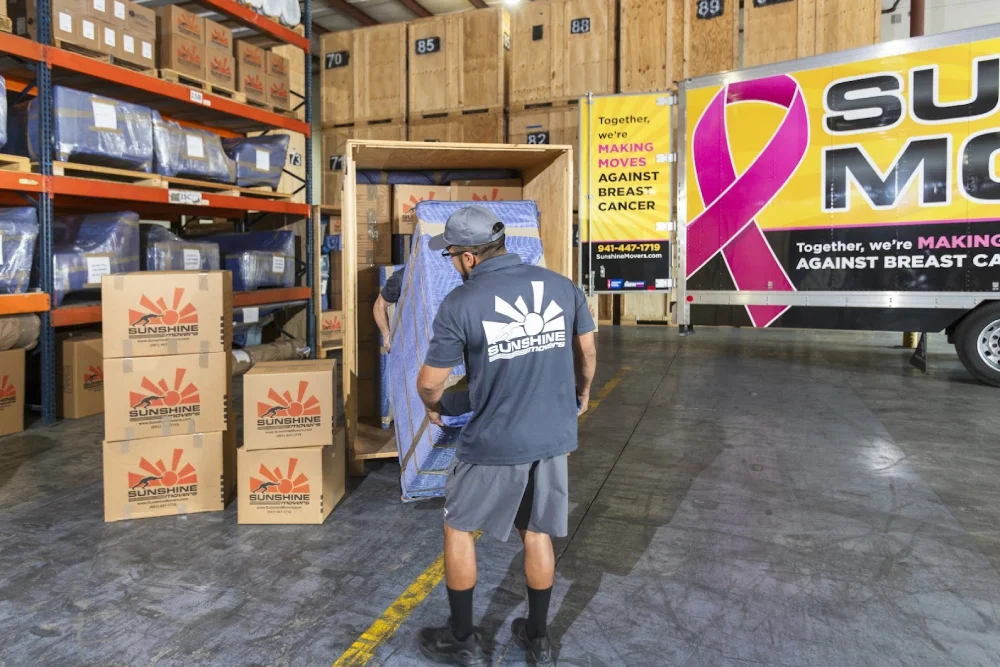
In a commercial warehouse storage environment, FF&E assets are received directly from manufacturers, vendors, or your existing space. They are then carefully inspected, logged into an inventory system, and placed in designated areas within the warehouse. This process ensures that when you are ready to install or re-open, your team is not scrambling to find pieces or dealing with surprises, like missing parts or damaged items. FF&E storage transforms what could be a chaotic pile of assets into a structured system with clear visibility into what you have, where it is, and when it will be ready to install.
Who Uses FF&E Storage?
FF&E storage is widely used by businesses that have a significant amount of furniture, fixtures, and equipment to manage, particularly during multi-phase projects. Hotels, for example, often use hotel furniture storage during property-wide renovations, room upgrades, or brand conversions. They cannot afford to disrupt guest experiences any more than necessary, so FF&E is removed from floors being renovated, stored securely off-site, and then reintroduced or replaced as each section of the property is completed.
Office environments are another major user of FF&E storage. Growing companies moving into new headquarters, organizations consolidating multiple locations, or firms reconfiguring space for hybrid work often leverage office furniture storage. Desks, modular systems, conference tables, chairs, filing systems, and technology components can be stored during construction or reconfiguration. Retailers, healthcare facilities, senior living communities, educational institutions, and franchised businesses also rely on FF&E storage to support expansions, rollouts, and periodic refreshes. Any business that needs to manage a large volume of physical assets during a project can benefit from this specialized form of commercial storage.
How FF&E Storage Fits Into Commercial Moves and Renovations
The power of FF&E storage lies in how it supports a broader commercial moving or renovation workflow. Rather than treating furniture and equipment as an afterthought, the process is built into the project plan from the start. When a business is relocating, FF&E may be moved from the original space into commercial storage units, held there while the new space is prepared, and then delivered and installed in a carefully sequenced way. This keeps the project moving forward even if there are delays in permitting, construction, or IT readiness.
During renovations, FF&E storage helps maintain business continuity. Sections of the building can be cleared of furniture and equipment and handed over to contractors, while operations continue in other areas. The stored FF&E can be brought back floor by floor, department by department, or replaced with new items, depending on the design. Because the storage provider understands commercial timelines, they can coordinate deliveries in phases, aligning with construction milestones and minimizing downtime. The result is a smoother transition, less disruption to staff and customers, and a more predictable path to project completion.
Is FF&E Storage Temporary or Long-Term?
FF&E storage is inherently flexible and can be used for both temporary and longer-term needs. Many projects rely on short-term storage lasting weeks or a few months while renovations or build-outs are underway. In these cases, furniture and equipment move into storage with a clear target date for reinstallation. This is common in hotel room refreshes, phased office renovations, and retail remodels.
However, FF&E storage can also serve longer-term strategies. A company that is downsizing but planning to grow again might store extra furniture until additional staff are hired or a second location opens. A hotel undergoing a multi-year, multi-property brand update may use a centralized storage solution to manage old and new assets across multiple sites. Even after a move or renovation, some businesses continue to use commercial warehouse storage as an ongoing asset hub, where extra chairs, tables, fixtures, or seasonal items are kept ready for future use. The key is that the storage solution is built around your business timeline, not the other way around.
Tracking and Managing Your FF&E Inventory
One of the most important elements of FF&E storage is the ability to track and manage assets effectively. Unlike generic self-storage, professional FF&E storage includes inventory systems that log each item or grouped shipment as it arrives. Barcoding, labeling, and digital inventory records provide visibility into what is in storage, what has been delivered, and what is scheduled next. This is crucial when dealing with hundreds or thousands of pieces of office or hotel furniture, fixtures, and equipment.
For example, a hotel renovation might require detailed tracking of beds, headboards, nightstands, lamps, artwork, and lobby furniture. Each piece can be received against purchase orders, inspected for damage, and recorded in the inventory. When it is time to install, the storage provider can pull exactly the right items for a specific floor or wing. The same idea applies to office furniture storage, where modular systems, panels, workstations, and chairs must be matched to departments and layouts. Clear tracking avoids costly mistakes, like sending the wrong items to the site, misplacing pieces, or discovering shortages only at the last minute.
Security and Protection in Commercial Storage
Security is a central concern when storing valuable FF&E assets. Commercial storage units and warehouse environments designed for FF&E go beyond basic locks and doors. They often include controlled access, surveillance, alarm systems, and professional staff overseeing the facility. This level of security helps protect against theft and unauthorized access, which is particularly important for high-value equipment, branded fixtures, and technology.
Protection also extends to environmental factors and handling practices. Commercial warehouse storage often provides features such as climate control, appropriate racking, padded staging areas, and professional loading and unloading procedures. Furniture, fixtures, and equipment are wrapped, padded, and stacked according to best practices to prevent damage. The same crews that receive your items may also be responsible for delivering and installing them, which creates continuity in how your assets are handled from start to finish. This integrated approach reduces the risk of damage that can occur when multiple vendors or untrained personnel move items repeatedly.
Why FF&E Storage Is Essential to Project Success
When businesses skip proper FF&E storage or treat it as an afterthought, the consequences show up in project delays, damaged assets, and operational disruption. Contractors may be forced to work around furniture piled in hallways, staff may lose access to essential equipment, and brand standards can suffer if furniture arrives late or in poor condition. In contrast, an organized FF&E storage plan supports both construction and operations by keeping assets off-site, protected, and ready when needed.
For many companies, FF&E is a substantial investment. Office systems, hotel furnishings, medical equipment, and branded fixtures represent significant capital expenditure. FF&E storage protects that investment. It also supports a smoother opening or re-opening. When your new or renovated space is ready, the stored assets arrive in a thoughtful sequence, allowing installation teams to work efficiently and designers to realize their vision. Customers, guests, or employees then walk into a space that feels complete and polished on day one, rather than incomplete or hastily assembled.
Bringing FF&E Storage Into Your Next Project
FF&E storage is more than just a place to park furniture during a project. It is a strategic tool that helps businesses manage complex moves, renovations, and expansions with less risk and disruption. By using commercial storage units and warehouse environments designed specifically for furniture, fixtures, and equipment, companies gain control over timing, visibility into their assets, and confidence that their brand presentation will be ready on schedule.
Whether you are planning an office relocation, updating a hotel, or preparing a new commercial space, building FF&E storage into your project plan can make the difference between a stressful, disjointed effort and a smooth, well-coordinated transformation.


