.webp)


.webp)

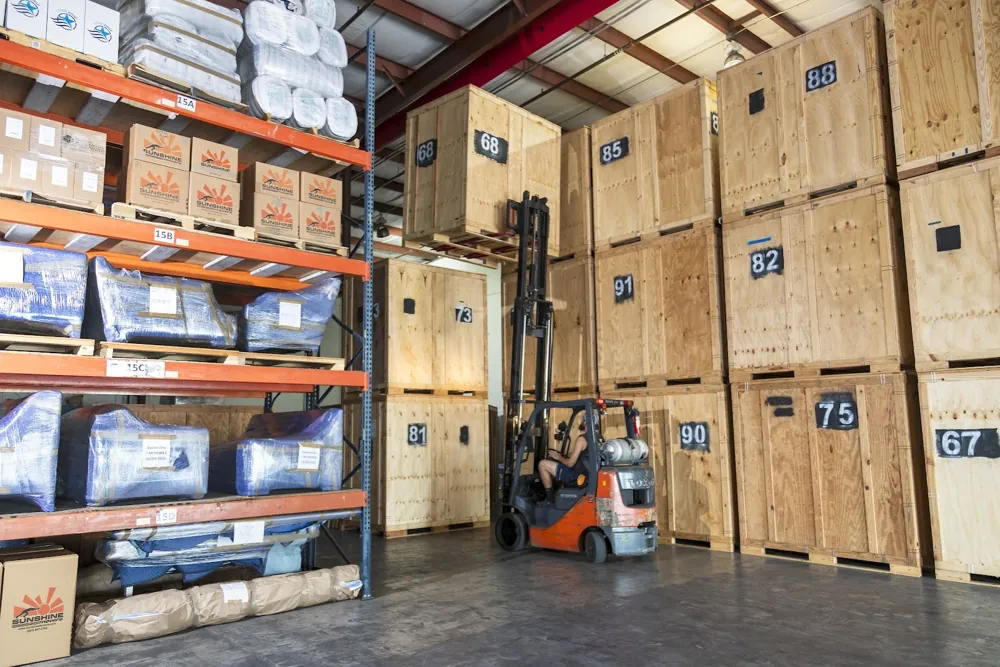
Relocating a household is stressful enough without worrying whether your furniture and valuables will survive the journey. Temperature swings, humidity, and long periods in transit or storage can all take a toll on wood, fabric, leather, electronics, and delicate heirlooms. Climate controlled storage gives you a way to protect those pieces during relocation and long moves, especially when there are gaps between move-out and move-in dates or when items will be stored for weeks or months.
Instead of leaving your belongings in an environment that feels like a hot garage or a damp basement, climate controlled storage keeps temperature and humidity within a more stable range. That stability is what helps prevent warping, cracking, mold, mildew, and other slow, silent forms of damage that often show up only after you have already moved into your new home. For homeowners planning long-distance moves, cross-country relocations, or staggered move-ins, climate protection becomes a smart layer of insurance for the things you care about most.
Climate controlled storage protects furniture and valuables during moves by keeping temperature and humidity in a stable range, reducing the risk of warping, cracking, mold, and other damage that can occur in standard storage environments.
Why Use Climate Control During Moving and Storage
During a move, your belongings are exposed to more than just bumps in the road. They can spend time in trucks, warehouses, or storage units where temperatures rise and fall dramatically and humidity climbs, especially in warmer, coastal regions. Over days or weeks, those conditions can cause solid wood to expand and contract, glue joints to weaken, and fabrics to absorb moisture. Climate controlled storage is designed to minimise those risks, creating a more home-like environment while your items are in transition.
This is particularly important when your move involves delays or a long holdover period. If your closing is pushed back, you are building a new home, or you are relocating across states, your furniture may spend extended time in storage. The longer items stay in an uncontrolled environment, the greater the potential for cumulative damage. By choosing climate control, you are effectively giving your furniture a safe “waiting room” until your new space is ready, rather than leaving it to the mercy of extreme heat, cold, or humidity.
What Types of Items Need Climate Controlled Storage
Not every item in your home requires climate controlled storage, but many of the most valuable or sentimental pieces do. Solid wood furniture is one of the biggest candidates. Dining tables, bed frames, dressers, antique cabinets, and hardwood chairs are all sensitive to temperature and moisture changes. Without climate control, they can warp, crack, or develop separation at joints. Upholstered furniture also benefits from climate control, since fabric and padding can absorb moisture, leading to odors, mildew, and gradual deterioration.
Electronics, artwork, and family heirlooms are other prime candidates. Televisions, sound systems, computers, and other electronics can be damaged by condensation and extreme temperatures. Artwork on canvas or paper, photographs, and important documents can yellow, ripple, or stick together in damp environments. Leather furniture and accessories can dry out, crack, or grow mold if stored in hot, humid spaces. If an item would be uncomfortable or at risk in your attic, garage, or a non-air-conditioned shed, it is a strong candidate for climate controlled storage during your move.
Is Climate Control Important for Short-Term Storage?
Many people assume climate control is only necessary for long-term storage, but even short-term storage during a move can benefit from added protection. A few weeks in a hot, humid environment can be enough to trigger warping in wood, mildew in fabrics, or condensation in electronics, especially if the items were already exposed during loading and transport. Short-term storage that spans the hottest or most humid months is particularly risky in this regard.
However, the urgency depends on what you are storing and the timing of your move. If you are storing durable household goods for a brief period during mild weather, standard storage may be sufficient. But if your household includes high-value furniture, antiques, instruments, or sensitive electronics, climate controlled storage is often worth considering even for shorter stays. It gives you peace of mind that a temporary delay will not turn into permanent damage.
How Climate Controlled Storage Prevents Damage
Climate controlled storage works by keeping temperature and humidity within a narrower, more consistent range than typical non-climate units. This consistency is critical. Wood swells when it absorbs moisture and shrinks when it dries out, which can cause bowing, cracking, or loosened joints when changes happen repeatedly or quickly. Stable humidity levels help keep wood, paper, and textiles closer to their ideal state, minimising stress on the materials.
Temperature control also matters. Extremely high temperatures can accelerate the breakdown of glues, finishes, foam padding, and electronic components. Very low temperatures can make some materials brittle. By avoiding these extremes, climate controlled storage slows the natural aging process of your belongings and reduces the chance that you will open your storage unit after a move to find warped furniture, sticky photo albums, or electronics that no longer work. The goal is not just to store your items, but to preserve their condition as if they had stayed in a well-cared-for home.
Climate Controlled Storage in Sarasota and Bradenton
In warm, coastal regions, climate controlled storage is especially relevant. High humidity and heat can be relentless, even over relatively short storage periods. For homeowners relocating into or out of areas like Sarasota or Bradenton, climate controlled storage offers protection from the very conditions that often cause long-term wear on furniture and valuables. This is particularly important if your move crosses seasons, spans summer months, or involves a gap in which your belongings must stay in storage while you finalise housing or renovations.
Because these regions experience both high humidity and strong heat, items left in standard storage can quickly feel like they are sitting in a sealed garage. Fabrics may feel damp, cardboard boxes can soften, and wooden items may begin to show signs of stress. Choosing climate controlled storage sarasota or climate controlled storage bradenton options means your belongings are kept in an environment that is much closer to what they would experience inside a lived-in home, rather than being subjected to outdoor extremes.
Is Climate Controlled Storage Worth the Extra Cost?
Climate controlled storage generally costs more than standard storage, so it is natural to ask whether the upgrade is worth it. The answer depends on what you are storing, how long you will store it, and how sensitive those items are to temperature and humidity. If you are placing inexpensive, easily replaceable items into storage for a short time during mild weather, standard storage may be enough. But if you are storing high-value furniture, antiques, electronics, or irreplaceable sentimental items, the cost of climate control is often minimal compared to the cost of repairing or replacing belongings that have been damaged.
It also helps to consider the bigger picture of your move. You have already invested in your furniture, décor, and electronics, and you may be spending significant amounts on the move itself. Climate controlled storage is a way of protecting that investment, particularly when your belongings will be stored during the hottest or most humid parts of the year, or when there is uncertainty around your move-in date. Many homeowners view the additional cost as a form of insurance that helps ensure their new home feels truly “move-in ready” when their items arrive.
Bringing Climate Controlled Storage Into Your Moving Plan
Climate controlled storage is not just a luxury add-on; it is a practical safeguard for the furniture and valuables that make your house feel like home. By including climate protection in your moving plan, you create a safer “in-between” space for your belongings while you navigate closing dates, construction schedules, or long-distance travel. Instead of worrying about what the heat and humidity might be doing to your items while they sit in storage, you can focus on the logistics of your move and the excitement of settling into a new space.
Whether you are relocating across town or across the country, climate controlled storage gives you more control over how your belongings are treated when they are out of your sight. It complements professional packing and careful handling, completing a chain of protection from your old home to your new one. For many movers, especially those with cherished furniture, heirlooms, and sensitive electronics, that added peace of mind makes climate controlled storage a smart, strategic part of a modern relocation.


