.webp)


.webp)

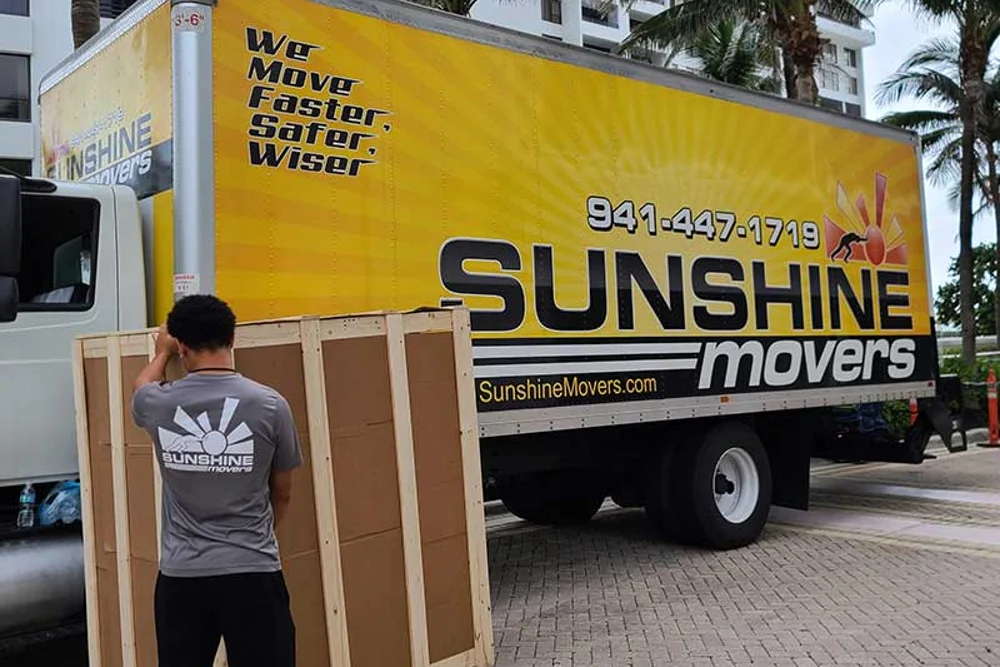
Large Appliances Are the Riskiest Items in Any Home Move
Refrigerators, washers, dryers, ranges, wall ovens, dishwashers, chest freezers, wine fridges, and beverage coolers are the single most damage-prone category in almost every home move across Sarasota, Bradenton, Longboat Key, Siesta Key, Lakewood Ranch, and the broader Tampa Bay area. They weigh two hundred to five hundred pounds each. They have components inside that break when the unit is tilted the wrong way. They arrive from the factory with specific transit requirements that most homeowners have never read. They have to be disconnected from water, gas, or dedicated electrical circuits before they can move at all. They almost never fit through the doorway they came in through, which is often not the doorway anyone remembers. And when something does go wrong during a move, the replacement cost of a modern French-door refrigerator, a stackable washer-dryer tower, or a professional-grade range is high enough that the entire moving experience is remembered by the appliance that broke rather than by the twenty pieces of furniture that arrived cleanly.
Professional appliance movers exist specifically because that risk profile deserves a specialist. A local moving and storage team that handles appliances every week arrives with the right equipment, the right technique, and the right coordination with plumbers, electricians, and gas fitters when the situation requires them. The appliance is disconnected safely, prepared for transit according to the manufacturer's requirements, moved through doorways and stairs without damaging the home or the unit, transported upright and secured against the truck wall, and placed correctly in the destination without dragging across newly finished floors. Whether the appliance is moving as part of a full household move or as a single-item relocation across town, the specialist workflow is the same, and the outcome is an appliance that runs correctly on the other end rather than an appliance that has to be serviced or replaced.
Appliance movers in Sarasota handle refrigerators, washers, dryers, ranges, wall ovens, dishwashers, freezers & beverage coolers by disconnecting the unit from water, gas, or dedicated electrical service, preparing it for transit according to the manufacturer's transit requirements, using appliance dollies and straps to move it safely through doorways and stairs, transporting it upright and secured inside the truck, and placing it correctly at the destination. Appliance moving service is available as part of a household move or as a single-item relocation across the Sarasota, Bradenton, and Tampa Bay area.
What Actually Goes Wrong When Appliances Are Moved
The failure modes for a badly moved appliance are consistent and expensive. A refrigerator that is laid on its side without following the manufacturer's transit requirements can lose compressor oil into the cooling lines, which then fails to circulate correctly and burns out the compressor within days or weeks of the move. A washer that is transported without shipping bolts or transit braces can shift internally and damage the tub, the suspension, or the drum bearings. A stacked washer-dryer tower that is tilted incorrectly can bend a mounting bracket that never seats correctly again. A range or wall oven that is not properly cushioned can crack a glass cooktop, misalign a door, or dislodge internal wiring that later throws a fault code. A dishwasher that is disconnected without draining correctly can leak residual water into the truck and into the home. A wine fridge or beverage cooler that is moved warm and started immediately can trip its own thermal protection and require a rest cycle before it can restart safely.
Every one of those failures is preventable, and every one of them is what a specialist appliance mover is trained to avoid. Refrigerators are transported upright whenever the doorway and truck configuration allow, and when they must be tilted, they are tilted only as far as the manufacturer permits and are then rested upright at the destination for the specified rest period before power is restored. Washers are secured with transit bolts or purpose-built straps when the original hardware is not available. Ranges and wall ovens are pad-wrapped, secured against internal movement, and moved with a crew size that reflects their weight. Dishwashers are fully drained before disconnection. Beverage coolers are documented at pickup and rested at destination. The workflow is not glamorous, but it is exactly what separates an appliance that runs the day after the move from one that does not.
Disconnection, Reconnection, and the Trades Involved
One of the most common questions from homeowners planning an appliance move is whether the mover disconnects and reconnects the unit or whether a plumber, electrician, or gas fitter has to be scheduled separately. The answer depends on the appliance category and the local Florida rules that govern connections to water, gas, and dedicated electrical service. Refrigerators with ice makers and water dispensers need the water supply line shut off and disconnected before the unit can leave the wall, and the reconnection at the new address involves shutting the water on, checking the shutoff valve, and running a purge cycle before the ice maker is trusted. Standard washers need the hot and cold supply lines closed, disconnected, and capped, and the drain hose has to be removed and drained cleanly before the unit is loaded. Electric dryers need the dedicated circuit turned off and the power cord disconnected, and the vent hose has to be released from the wall. Gas dryers, gas ranges, and gas cooktops require a licensed gas fitter to shut off, cap, and later reopen the gas connection, because Florida rules and manufacturer warranties both take that seriously. Built-in wall ovens, cooktops, and dishwashers are hardwired or plumbed into the cabinetry and often require electricians or plumbers for full disconnect and reconnect.
A professional appliance movers team in Sarasota handles the disconnections it can safely handle in-house, including standard water and drain lines, appliance-cord electrical connections, and vent lines. When a licensed plumber, electrician, or gas fitter is required, the moving company coordinates the trade in advance rather than leaving the homeowner to solve that on the morning of the move. Some households prefer to line up their own trades because they have a long-standing relationship with a specific plumber or gas fitter, and that works well too as long as the trade's arrival window is coordinated with the mover's arrival window so that the appliance can be disconnected, moved, and reconnected inside the same day.
Moving a Single Appliance Without Booking a Full Move
A significant share of appliance moving service work in the Sarasota market is single-item work rather than full household moves. A homeowner replaces a refrigerator and needs the old one moved to a garage, a rental unit, or a donation drop. A landlord upgrades a washer and dryer in a rental unit and needs the outgoing units moved to storage. A buyer takes possession of a French-door refrigerator from a private sale and needs it transported safely from the seller's home to their own kitchen. A snowbird moves a chest freezer between a primary residence and a seasonal rental. A homeowner refinishing a kitchen needs a range temporarily relocated to a garage during the remodel and returned to the kitchen when the countertops are set.
Every one of those scenarios is a single-appliance job that a professional appliance movers team handles routinely. Pricing on a single-item move typically reflects a minimum crew, truck, and travel window rather than a full-day rate, and the same disconnection, transit, and reconnection standards that apply to a full household move apply to a single-appliance job. That standard is the reason the appliance survives the move regardless of how big or small the booking is, and it is one of the specific reasons single-item appliance work should not be handed to a general handyman with a pickup truck.
Protecting the Appliance, the Home, and the Move
Appliance moving is the category where the difference between a professional local moving team and an improvised solution shows up most quickly. Modern refrigerators, washers, dryers, ranges, and specialty appliances are engineered around specific transit requirements that reward respect and punish improvisation, and the finishes inside a Sarasota home, whether that is hardwood, tile, luxury vinyl plank, or newly installed cabinetry, are equally unforgiving of a heavy appliance dragged across the wrong surface. A specialist crew that arrives with the right dollies, straps, floor runners, corner guards, door protectors, and disconnection knowledge protects the appliance and the home at the same time, which is what the customer is actually paying for.
Sarasota Sunshine Movers supports homeowners, renters, landlords, property managers, and appliance buyers across Sarasota, Bradenton, Longboat Key, Lido Key, Siesta Key, Lakewood Ranch, Palmer Ranch, University Park, Parrish, and the broader Tampa Bay region with professional appliance movers, appliance moving service for single-item and full-household jobs, coordinated disconnection and reconnection through trusted plumbers, electricians, and gas fitters, and careful transit for refrigerators, washers, dryers, ranges, wall ovens, dishwashers, freezers, and specialty units. Customers with an appliance move on the calendar can request an appliance moving quote today and confirm the crew, the truck, and any trade coordination in a single conversation.


